Issue 04: Slay the Rainbow
Slay the RAINBOW
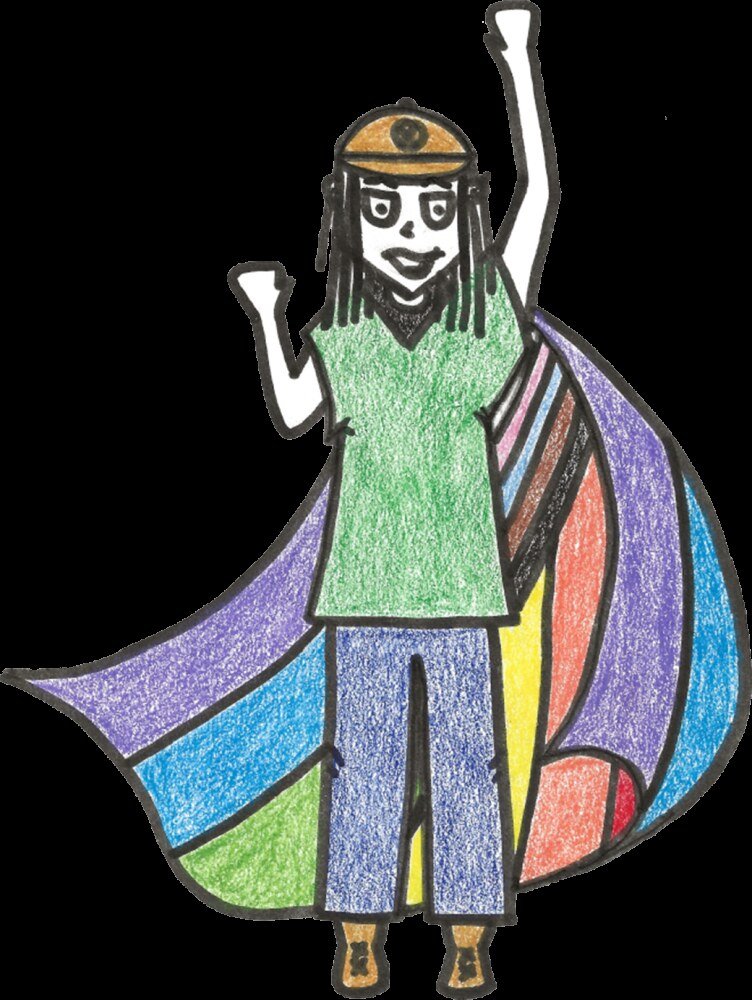
Growing up I struggled with answering one question, “Who am I?” I was confused with the socially constructed messages I was being told from a young age and from the nonexistent LGBTQIA+ (Lesbian, Gay, Bisexual, Transgender, Queer or Questioning, Intersex, Asexual, and all other spectrums of sexuality and gender) diversity around me. Being gay wasn’t celebrated and not fitting into the male-female binary made me feel really confused about who I was and where I belonged. I suppressed my feelings for years because of the societal expectations that were forced upon me, constantly being reminded that I wasn’t feminine enough or that my “other half” was expected to be a (cis*) male. These gender stereotypes made me feel ashamed of who I knew I was deep inside but had yet to discover the language that associated with how I felt. I didn’t get a grasp of who I was and how I identify until my early 20’s. Something I struggled with the most were the assumptions people made about me once I came out. Accusing my sexuality for a passing phase of experimentation, rebellion, or trickery. Let’s just say that my coming out story is one of the hardest things I have and continue to experience, and it has torn me up inside for years.
Everyone has their own coming out story. We are all unique and all have different experiences forming our identity. Some people know they are queer from a young age and others don’t know until they are much older. Some are out and proud as soon as they know, and others take their time coming out. No matter what your story is, we have all been there at one point or another, feeling out of place in society. Our gender and sexuality do not fit into one box. We may first come out and identify as a lesbian or bisexual and then find out along the way that our sexuality is more fluid than we thought. We continue to grow and evolve and sometimes we need to step outside of these labels and just live and experience it all to fully understand our internal self, where we belong, and how we identify.
Your gender can be expressed in several ways and instead of listening to ideas of masculinity and femininity and the stereotypes that have shaped the way your body is seen within society, you can play off these binary constructs of gender and use them to experience your internal sense of self through clothing, behavior, and the pronouns that you use. I identify as non-binary and with that I prefer using they/them pronouns, not shaving my body hair, and experimenting with masculine and feminine clothing in a way that makes me feel comfortable in my own body. My gender cannot be defined within the margins of the gender binary and I am free to express how I feel inside and out.
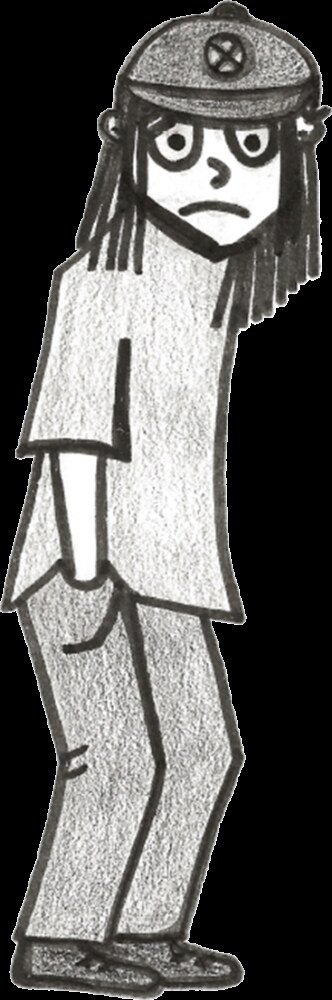
My own sexuality and gender dysphoria has made me laugh and cry. It has made me feel sad, happy, confused, anxious and angry, all at the same time. It has broken me down, but it has also built me back up. It took me years to come to terms with how I felt, to truly feel proud of who I was and to allow myself to break free from the societal constructs that made me feel as if I had something wrong with me. We are all stronger than we know, but we do not always have to be strong by ourselves. There are people around us that love us, support us, and protect us from the dark thoughts we conjure up in our heads and the societal rejection we continue to go through.
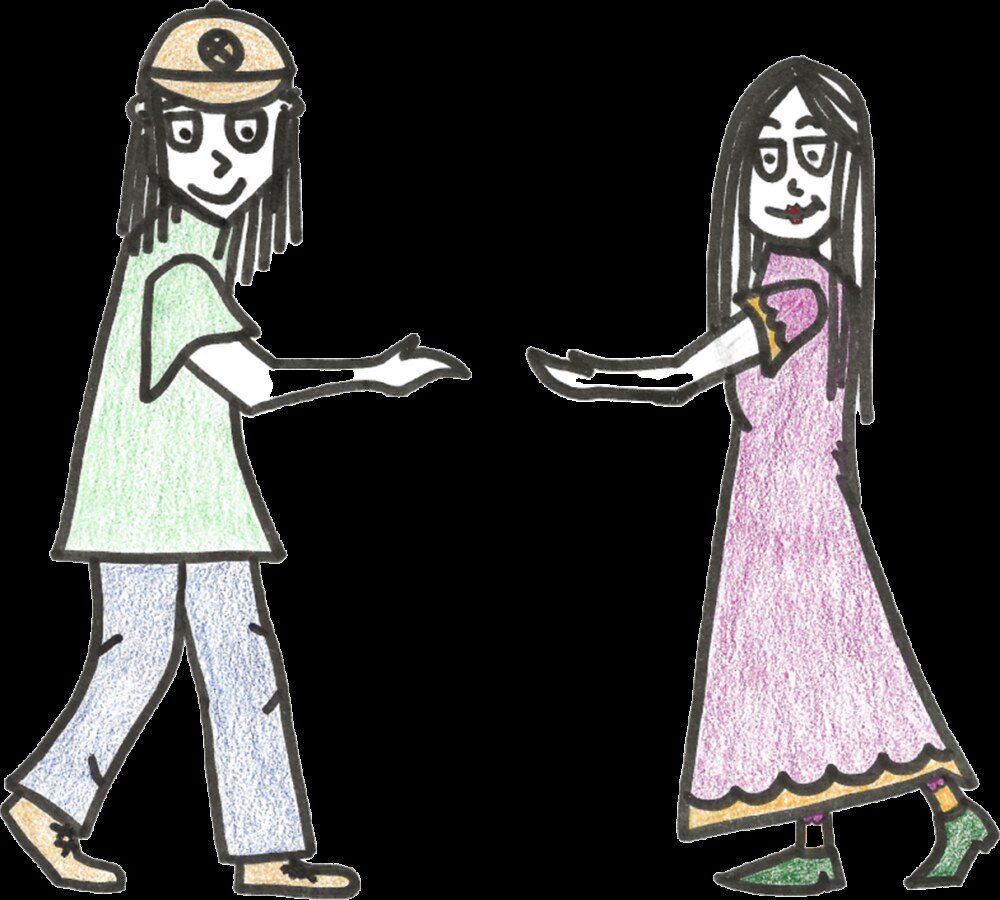
We all come out in our own way, in our own time. Having those conversations with your friends and family are an important step in your journey of love and acceptance. We need those support systems to lift us up and to help us remember that we are loved, no matter how we identify or feel. Speaking from my own experience as a queer non-binary human being, I wish I was met with patience, support, and no judgement. We crave acceptance but we are fearful of rejection. If you have a friend or family member struggling with their sexuality or gender, follow these three key forms of acceptance:
Be patient. Never force anyone to come out before they are ready. Even if you know they may be gay, bisexual, pansexual, non-binary, or trans, it is not your place to push them to come out when they are not ready.
Be supportive. Your friend needs your support. Let them know that nothing has changed, and you are still there for them no matter what. The LGBTQIA+ community fears rejection and has already dealt with so much, all your friend wants is to not be rejected by their friends and family.
No Judgement. Your friend is courageous for coming out and if you happen to have opposed views, now is not the time. You will have time to discuss those matters when your friend is ready. Right now, they need a safe space to be themselves without being judged for who they are.
I have struggled with my sexuality and gender for years and continue to battle with my gender dysphoria to this day. I have not stopped working on myself and my own existence in a world that still struggles to fully understand who I am and what I continue to go through. We all have our own stories, and these stories are constantly changing and evolving along with the experiences we share with the world around us. Remember to not be so hard on yourself and remember to love yourself, every inch of you. If you are reading this right now, you are not alone. We have all been where you are now and there are so many others that are going through the same thing. You will never be alone. I am here for you, the entire LGBTQIA+ community is here for you, your friends are here for you, and your chosen family is here for you.
You are brave, you are fierce, and you are unique.
*“cis”, or cisgender, is a term used when one’s gender identity and expression align with their biological sex they were assigned at birth (i.e., male or female).