Issue 08: How Amanda Nell Eu Earned her Tiger Stripes
How Amanda Nell Eu Earned her Tiger Stripes
By Loulou Von Spiel
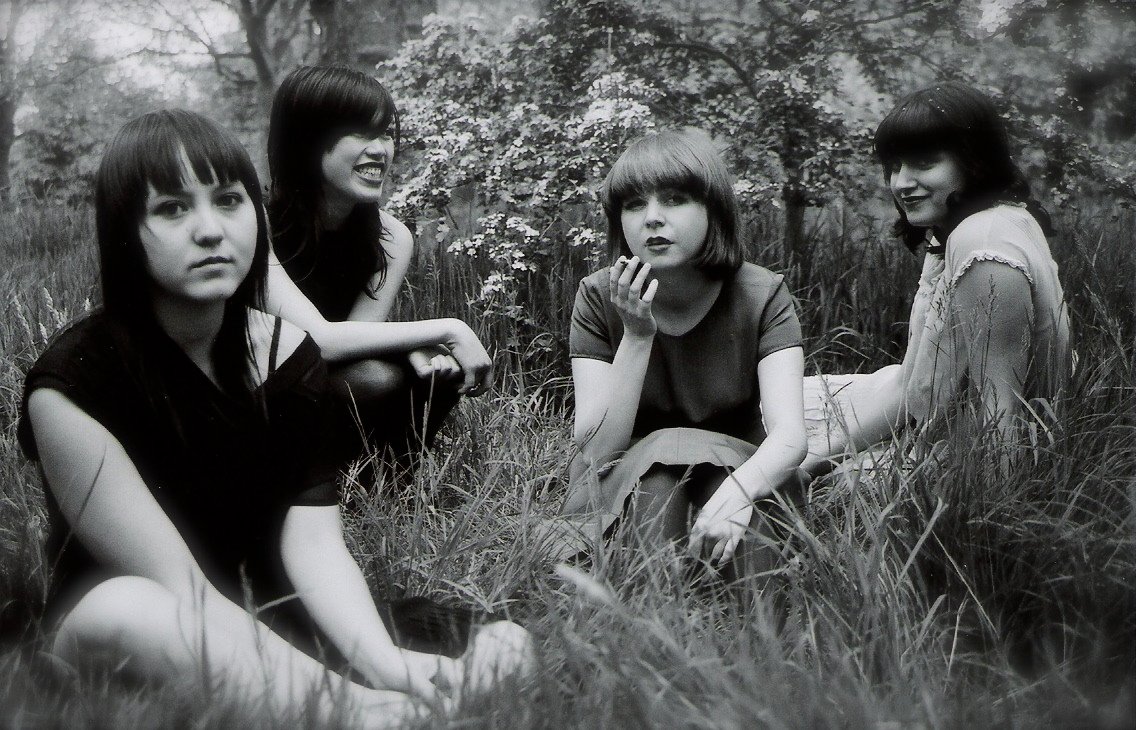
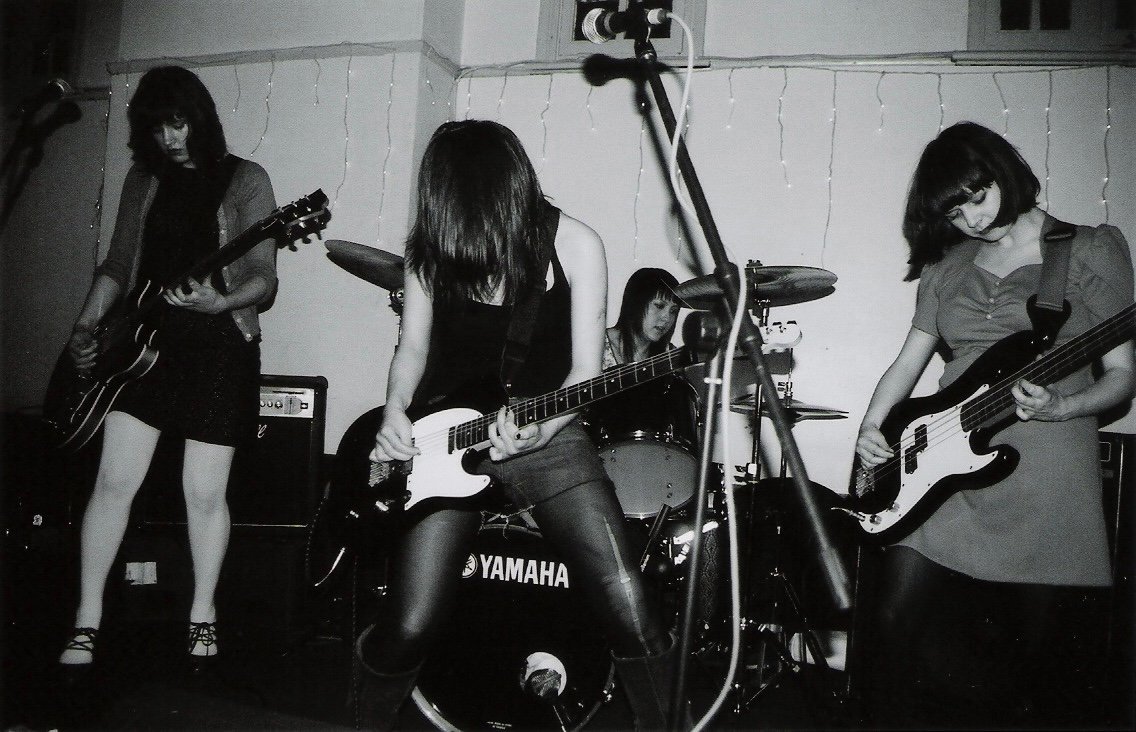
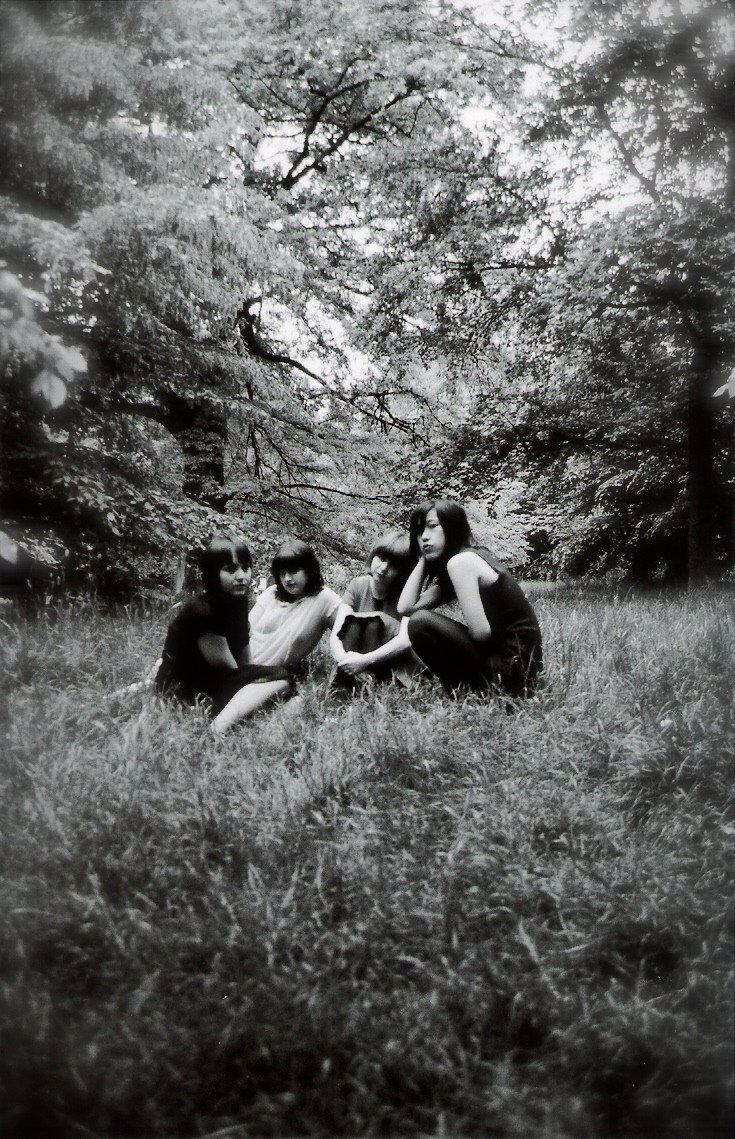
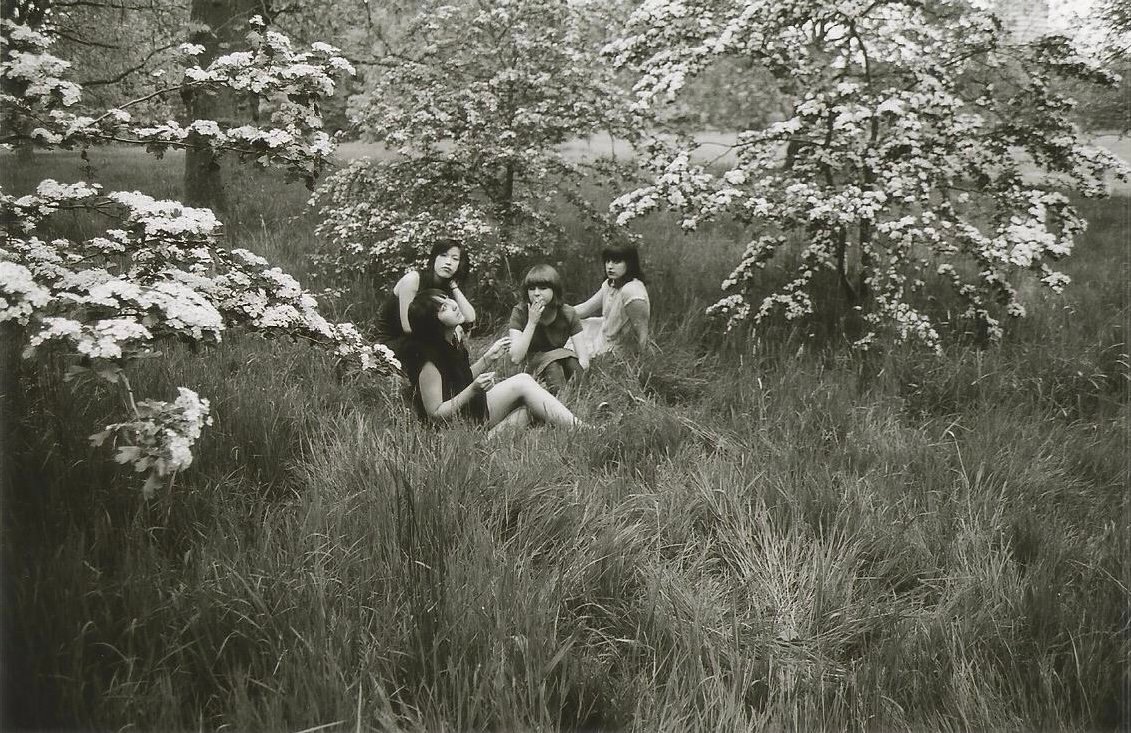
Amanda Nell Eu was only 18 when I first met her in London many years ago. She had just joined Headless, an all-girl rock band, as its drummer. Determined, passionate, a bit rough around the edges, Headless was exciting and undeniably cool.
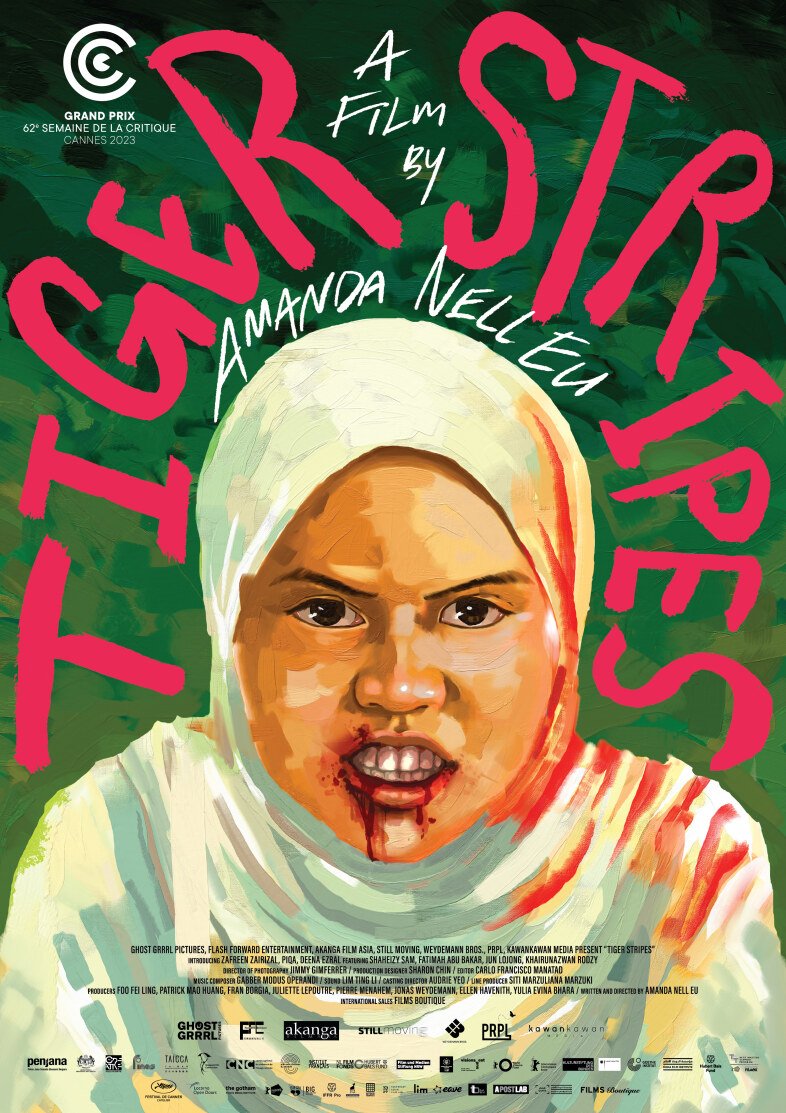
Fast forward to 2023 and my memory of a teenage Nell (as I knew her then) fearlessly hitting those drums and cymbals, sits perfectly with the audaciousness running though her critically acclaimed new film, Tiger Stripes.
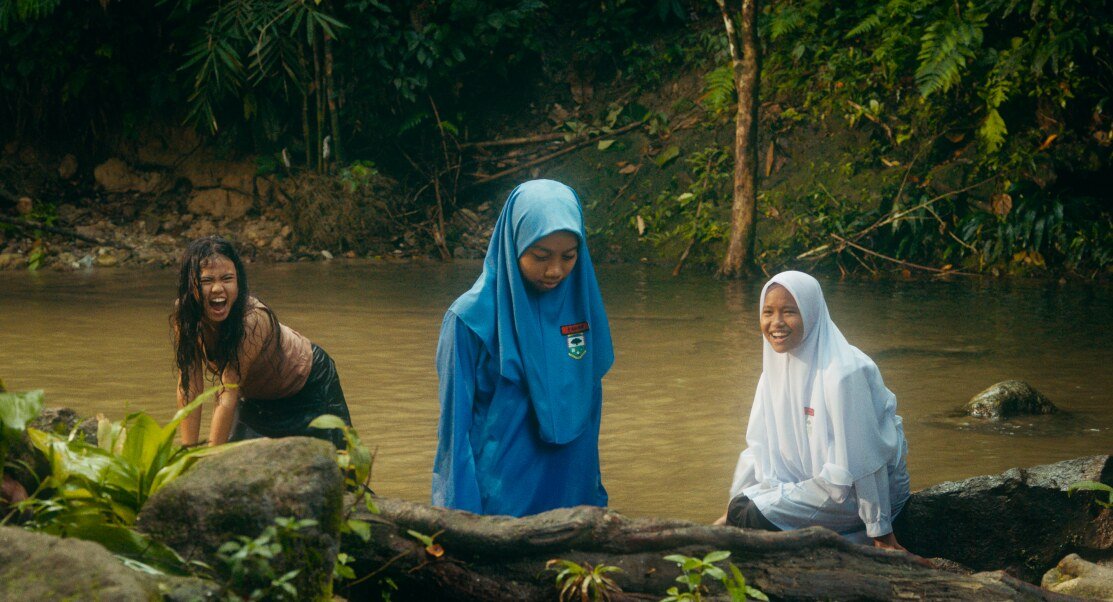
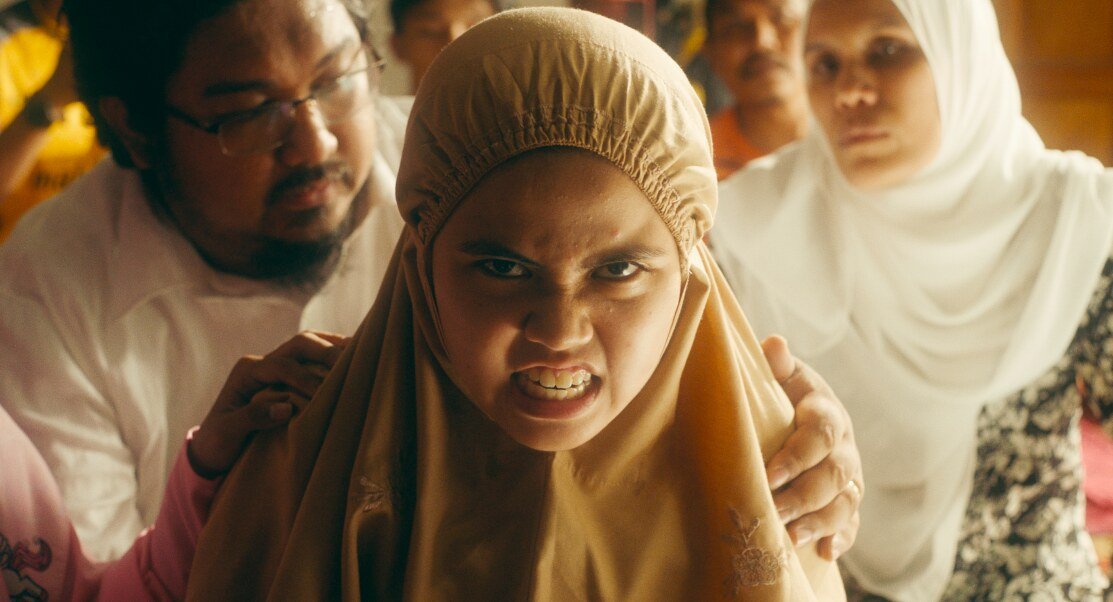
Set in her native Malaysia, the movie follows Zaffan, a young, spirited twelve–year–old Muslim girl, as she experiences puberty and its ensuing metamorphosis, quite literally.
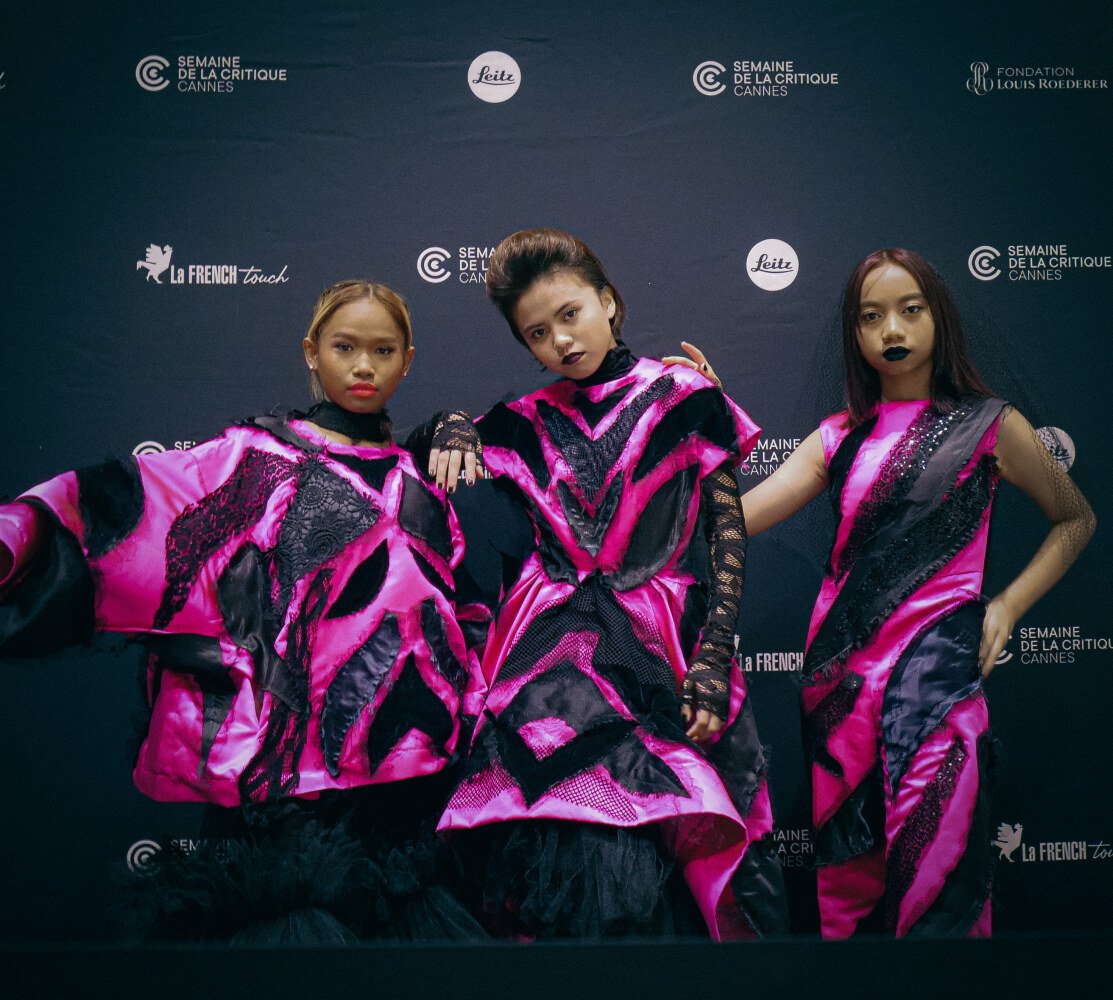
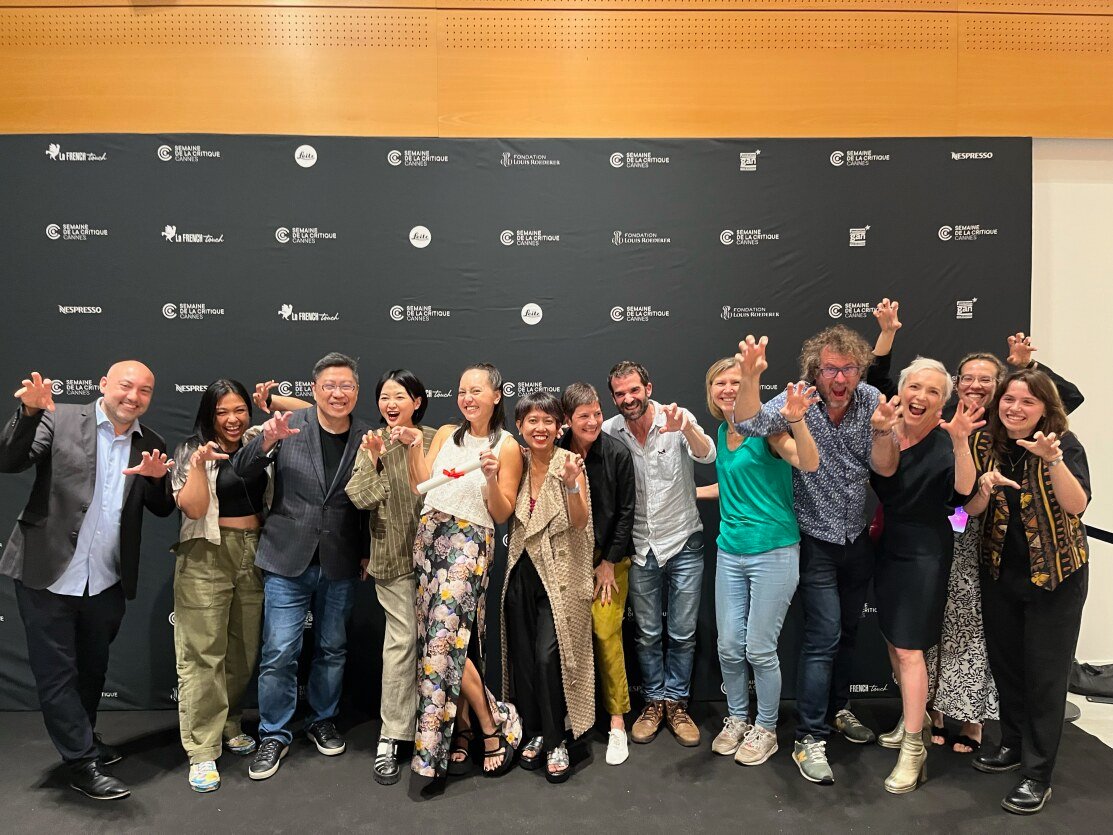
Part body horror, part coming–of–age drama with comedic elements, it took the Cannes festival by storm, crowning Amanda Nell’s debut with the prestigious “Cannes semaine de la Critique” award, the start of an avalanche of many more from prominent festivals worldwide.
Amanda is not new to industry accolades. She graduated from the London Film School with an MA in Filmmaking and is an alum of Berlinale Talents and Locarno Filmmakers Academy. She has already made 2 short films: her first, “Lagi Senang Jaga Sekandang Lembu” premiered in competition at many international festivals. Her second, ”Vinegar Baths” won several awards including Best Picture at the Scream Asia Horror shorts competition.
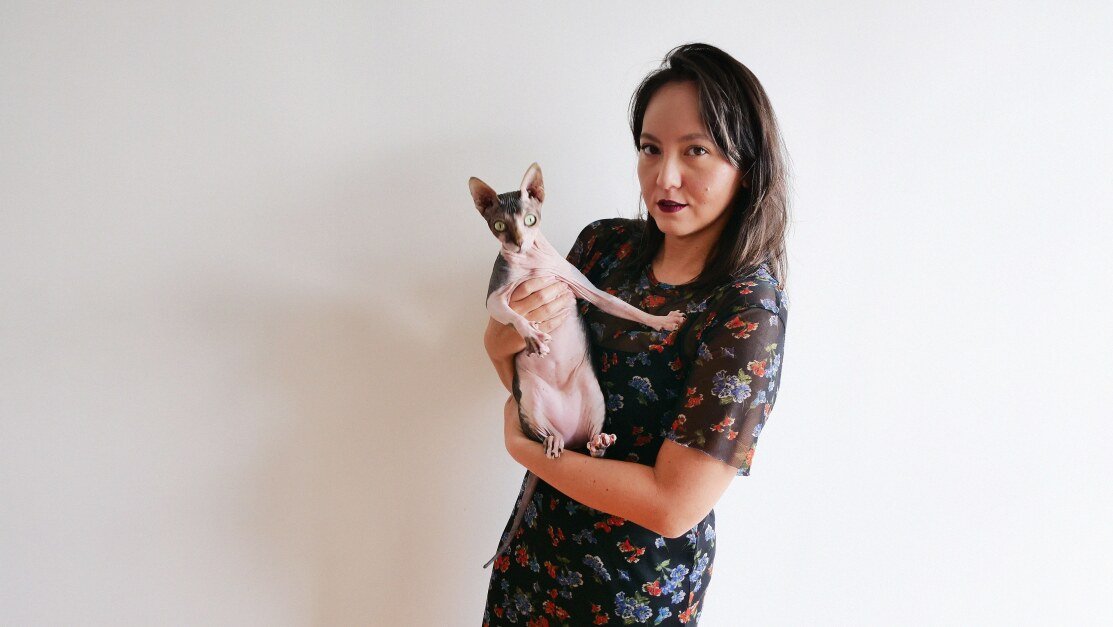
Tiger Stripes is her debut feature film which she wrote and directed. In it, the idea of puberty as body horror is treated in an innovative way, focussing on the heroine’s relationship to her body, as opposed to the emotional shift and sexual awakening typical of coming–of–age horror precedents, such as Carrie or The Company of Wolves, both loved by Amanda. She is a huge fan of horror; body horror, in particular. She is also (no surprise!) a cat lover, and cat references echo throughout the film.
So, what prompted her to write the script?
“After returning to Malaysia, I made 2 short films with the female body as the key theme. And I wanted to return to my love of horror movies and the folktales I had grown up with. I often get my ideas starting out as a punchline, and I was thinking of doing a movie about puberty. During puberty, I felt like a monster, so the story is very much based on the tumultuous emotions I felt growing up. At eleven years, I didn’t want to change, I didn’t want boobs, I hated my body, I didn’t want hair; it was all quite violent at times!” She adds “In Tiger Stripes, I also wanted to show that when entering adulthood, girls start getting treated differently, but they are still children”.
While the character’s predicament is deeply familiar to Amanda, the environment couldn’t be more different from the one in which she was raised. Very much a city girl, she sought an Asian rural environment for the film, to give it a fairytale quality… ”there’s always a young girl living far away by the forest… “, she says.
It took two years to make, including fund raising and researching school life in Malaysia. The casting was done through an ad on social media during the pandemic, and while many girls auditioned, the lead actress (the charismatic Zafreen Zairizal ) was the first one they saw. She turned out to be perfect for playing Zaffan.
At a time when feminist ideas are infiltrating Asian societies, there is a timeliness to Tiger Stripes that will not go unnoticed. Such topics have always been close to Amanda’s heart as a scriptwriter and director. She is already working on her next project which will be tackling a similar subject, “I’m still obsessed with the female body experience” and she feels there is a lot more to explore on the theme. But she points out that these days more scripts are being offered to female directors, and would be happy to work on a film written by someone else.
Despite the warm critical reception everywhere, not all has been sunshine and rainbows. She has experienced her share of resistance from censors in Malaysia and recently posted an open letter on social media about her movie censorship in her home country. She remains adamant that no artist should succumb to self–censoring, especially not in order to conform to the swings and vagaries of local censorship laws.
While she has no say over the age restrictions in its distribution, Amanda hopes teenage girls will get to see the movie. However, she feels it can connect with any age group. ”It’s really a universal theme about accepting and embracing the part of you that people are calling monstrous or ugly, and being given all that power by saying ‘ this is me!”.
Spoiler alert! The last scene of Tiger Stripes is a celebration of self-acceptance which captures the message of the movie perfectly. Amanda says shooting that scene was so magical and joyous… it only required two to three takes, and the entire crew was moved to tears.
I ask Amanda if she has any advice for aspiring female filmmakers: “be true to yourself, be honest in your storytelling and always stand up for your message!“.
Well, it seems to be working for her so far. She is getting ready for a possible Oscar Award nomination, as Tiger Stripes was chosen to be the official Malaysian Oscar entry. We hope that, despite its low marketing budget (which is currently being bootstrapped by prize money), Tiger Stripes will make the final shortlist.
Regardless, this is an important film for everyone. Its empowering tale of Zaffan’s journey to self–acceptance is one that needs to be heard by every girl and young woman.
Grrrrrowl!