Issue 08: Conquering Anorexia and Anxiety
Conquering Anorexia and Anxiety
By Mary Exposito, speaking to Debbie Mannas
Meet Mary Esposito: the young lady who found her voice through her own battle with an eating disorder, sparked by social media’s unrealistic messaging. Mary is not only the voice of teenage girls battling anorexia; through her astute observations, she exposes the financial traps to which young people fall prey. In addition (and perhaps paradoxically), she has founded her own crochet business – a very traditional pursuit for a very unconventional young lady!
Mary, we are so thrilled to have you talk to IMTAC! Thank you!
Can you tell our readers about what kicked off your eating disorder, and, in hindsight, what can be recognized as early signs?
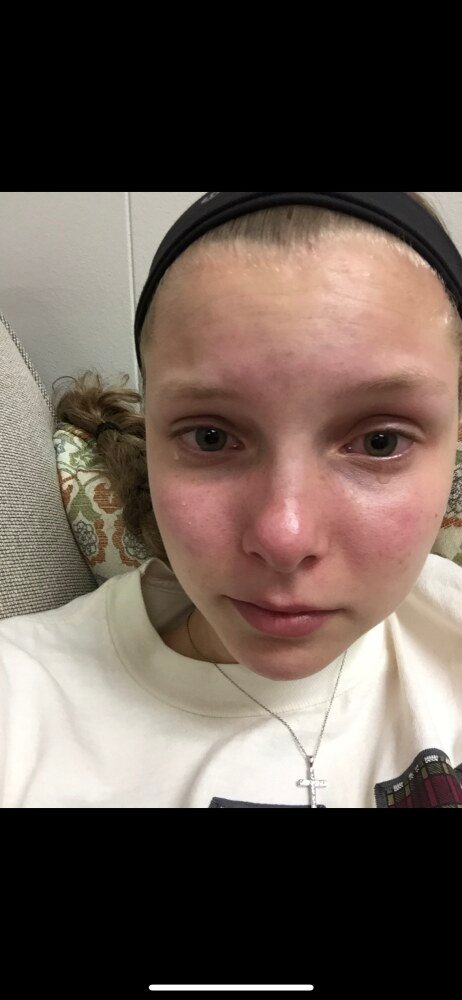
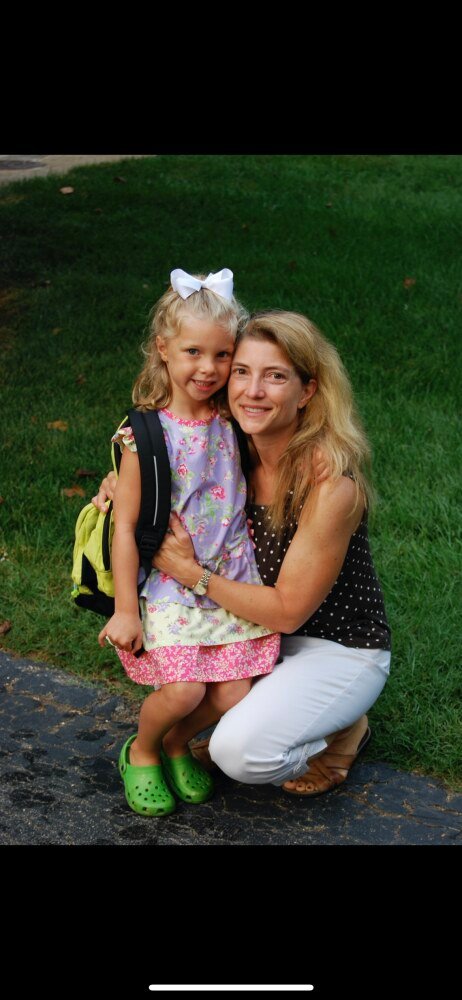
I gained access to social media at ten years old, before I really understood what I was seeing. I had no idea what Photoshop was. I didn’t know photos could be altered and people could be edited. All I saw in front of me were thin beautiful girls that drew my attention to my own flaws. I started comparing my prepubescent body to these filtered, strategically angled photos. I wanted to lose weight so I could be validated by others.
I started to restrict my food intake, wore baggier clothes and would compulsively exercise. I spent a crazy amount of time on my phone, isolating myself from friends and family.
What helped you through it?
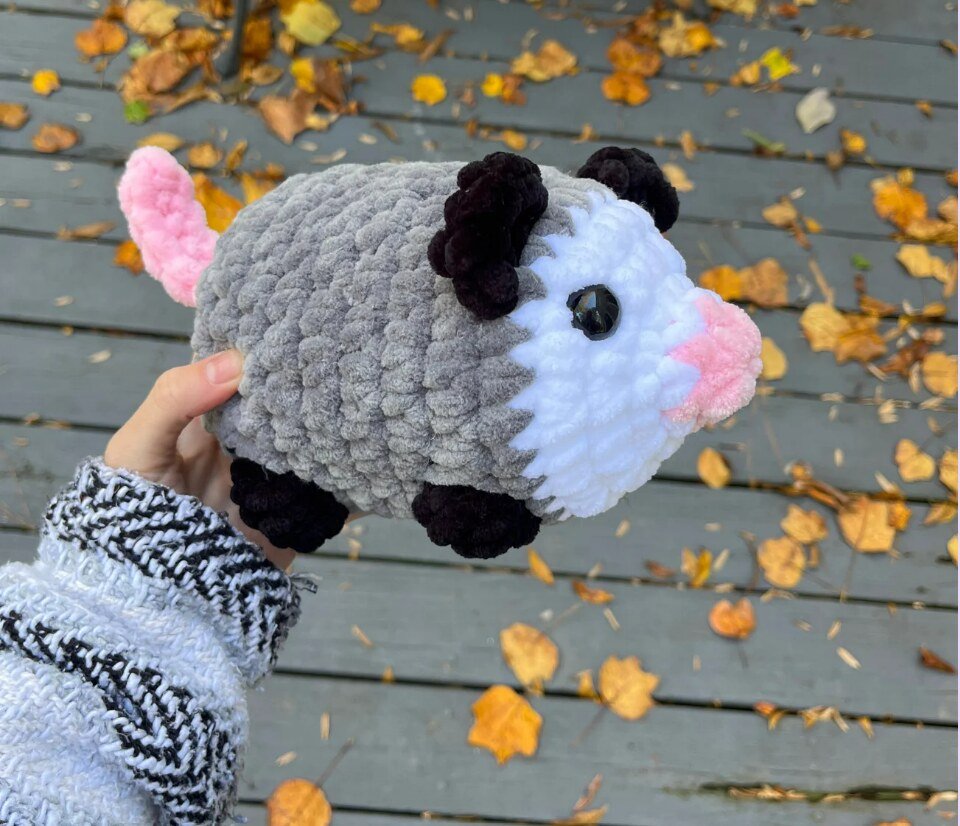
When I was thirteen, I entered inpatient treatment for the eating disorder that had burrowed deep into my insides like a parasite. I was completely isolated from life outside of the thick walls on the third floor of the square residential facility. No phones, no cable TV, no visitors except my parents. All books and music playlists had to be evaluated and approved by staff so “triggering” media could regress our recovery. The only item from home I was allowed to bring – excluding clothes – was a crochet purple pear plushie I had bought at a holiday market a couple of weeks earlier. My cohort of girls, all aged thirteen and younger, were corralled in a common room centered in our treatment wing, after group therapy and yoga.
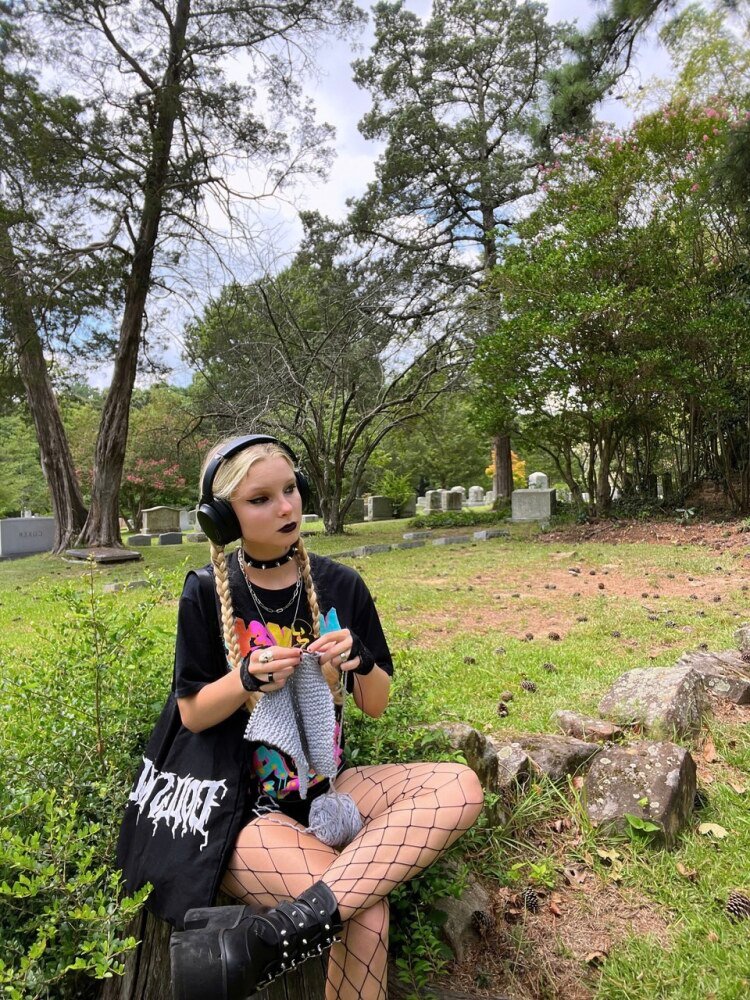
I learned how to knit in that hospital. There was not much else to do but knit, a quiet activity deemed safe for sick girls. So, it was either knit scarves on the couch or frustratedly scribble in a diary with a flimsy rubber pen. No sharp implements were allowed, to prevent self-harm. So, after learning the simple garter stitch, I raced through armfuls of yarn brought by my mother with every weekly visit. Hands stopped picking fingernails and started tracing stitches. Scarves got longer and yarn got thinner as my patience grew in the peaceful practice. I discovered knitting offered me a unique opportunity to introspectively think without sitting in agonizing stasis. I enjoyed talking to my therapist while an ever-growing scarf pooled at my feet, a symbol of my artistic productivity.
Three months later, I was cleared for discharge and sent home for outpatient therapy.
How do you use “style” to help with body acceptance?
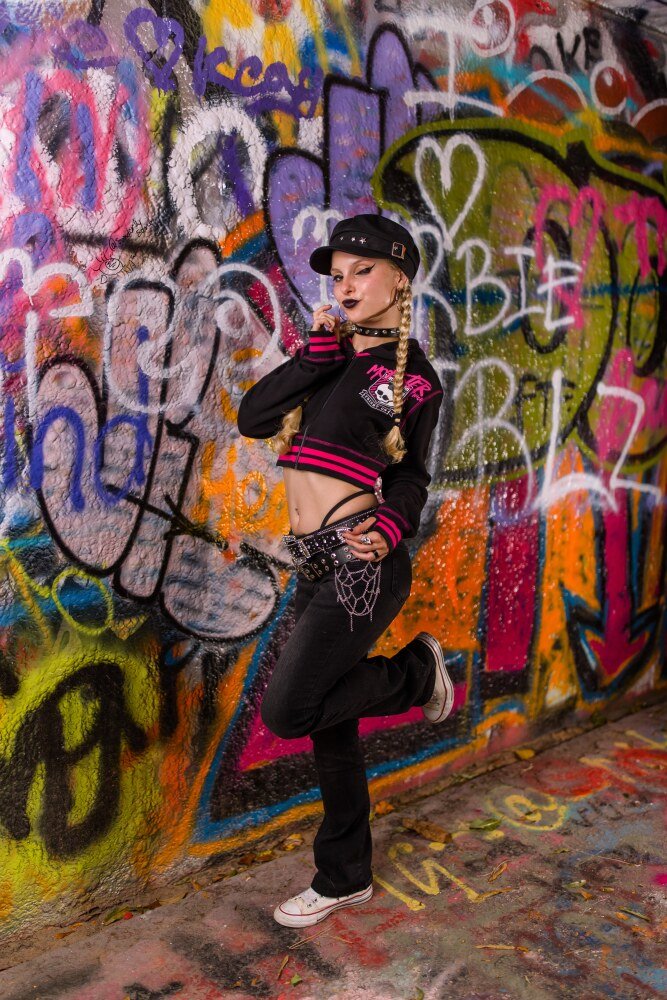
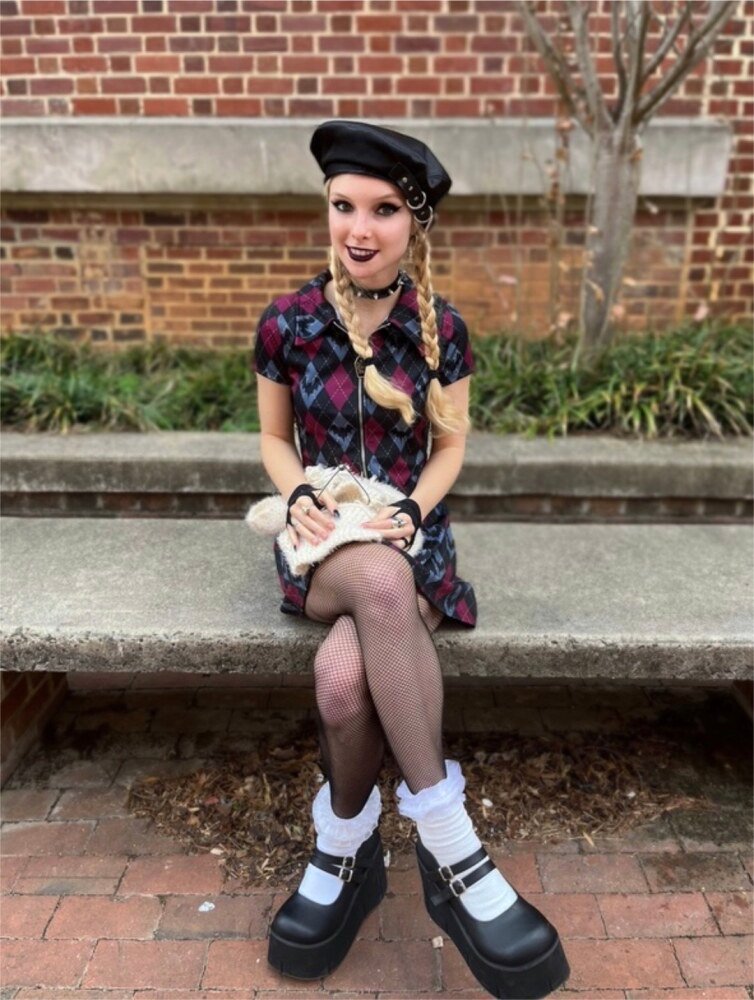
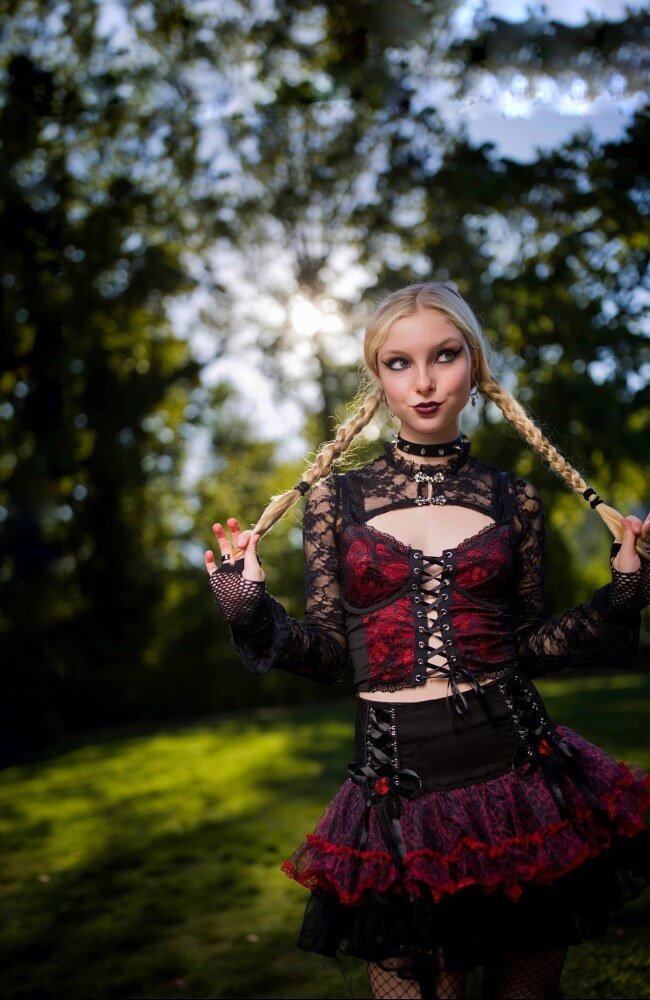
In high school, I stepped into a stronger sense of self. I realized that the loose ill-fitting clothes I embraced during my eating disorder failed to accurately represent the woman I wanted to be. I didn’t yet know her, but she would visit me sometimes when I was alone. She liked dressing up in rhinestones and silver studded boots, smearing dark matte lipstick across her lips, as she absentmindedly traced the grid of her fishnets on her thigh. Playing dress-up as an adult woman helped me realize that my eating disorder partly originated from desperation to feel more confident in my body. I grappled with this question: Why change my body when I can change my clothes instead? The freedom of self-expression through fashion provided me with the confidence I had mistakenly assumed losing weight would bring. Between knitting and fashion, my life had blossomed with purpose.
I stick out like a sore thumb whenever I go out in public. The typical outfit I wear to school is all black, replete with fishnets and chains and heavy platform boots that add five inches to my height. I wake up early to meticulously apply thick black eyeliner and line my lips with dark purple pigment. I receive a range of reactions from people around me, from “OMG I love your outfit” to “Are you sure that’s appropriate to wear in public?”
Never have I ever been told “You look like you knit scarves”. Yet that’s exactly what I do, all the time.
“What are you, a grandma?” I’m lightheartedly teased for my traditional hobby, which is usually pictured as withered veiny hands slowly teasing yarn across needles, frail bodies nestled in rocking chairs in nursing homes or much-too-big houses empty of now-adult children. People don’t associate heavy chains and black leather spikes with soft colorful wool spilling out of wicker baskets.
You are a student, a designer, a voice for girls and young women. But you are also an entrepreneur. Tell me about your two businesses: Plushies and Finance…
Two months after my discharge, I turned fourteen years old.
Transitioning from a safe, sterile environment to the noisy chaos of the “real world” was challenging, and my eating disorder still gnawed at me from the inside. I never stopped knitting. No ordinary thread, my yarn was a lifeline I could wrap around my fingers when I felt I was slipping away. My lopsided beginner projects–twisted scarves and knotted washcloths–adorned the nightstands and kitchen sinks of my enthusiastic friends and family. And when I first decided to sell my creations online, I received wholehearted encouragement, especially from my mother.
The name I chose for my craft business was Purple Pear, homage to the purple pear plushie that sat on my pillow at the treatment center. I wanted to commit to moving forward, without forgetting from where I came.
The past six years have been rich with frenzied passion as I committed myself to my craft and the business. Indoctrinated by my girlish dreams of making art my career, I furiously thumbed pages and scribbled notes. Books, webinars, networking events; courses, tutorials, and competitions were my happy hunting grounds.
For Purple Pear, I built a website and created a separate social media presence where I posted updates on my projects to a slowly growing audience. I expanded my skillset and learned how to crochet; the first plushie I ever made was a purple pear, that, to this day, still sits on the top of my bookshelf in my bedroom.
What about MONEY WITH MARY? What inspired you to be a voice for financial empowerment?
I dedicate my time to running moneywithmary1 because I want to be a representative and advocate for underrepresented individuals in finance. As a young, queer, neurodivergent woman who dresses unconventionally, I challenge stereotypes in the financial world. My goal is to show that anyone, regardless of their background or appearance, can take control of their finances and succeed. I receive messages from people thanking me for breaking stereotypes, and I want to continue being a role model for those who may feel marginalized.
Financial independence is power.
Mary Esposito
@itsmaryesposito
@shoppurplepear
@moneywithmary1
Real People – Cost of Beauty: A Dove Film | Dove Self-Esteem Project – YouTube