Issue 06: Shut Down Slut Shaming!
Shut Down Slut Shaming!
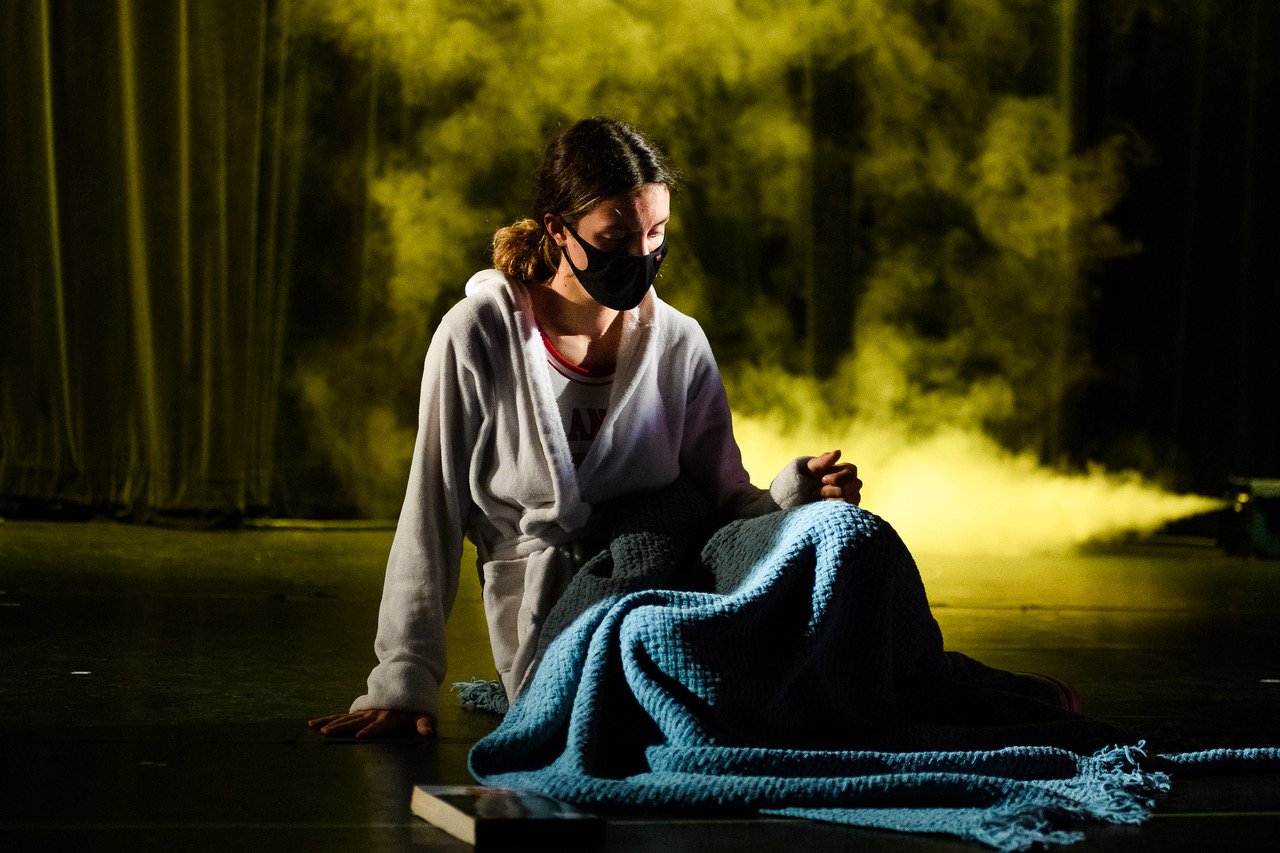
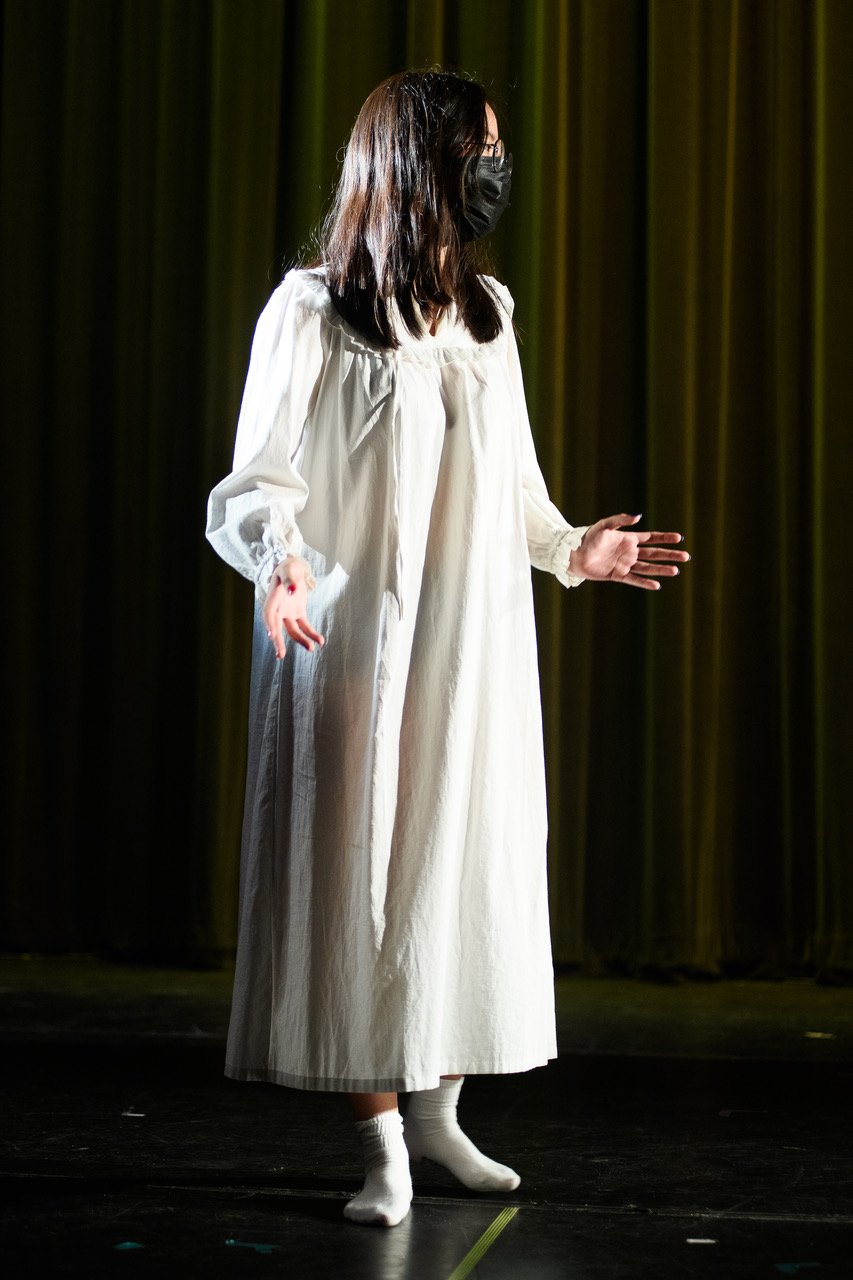
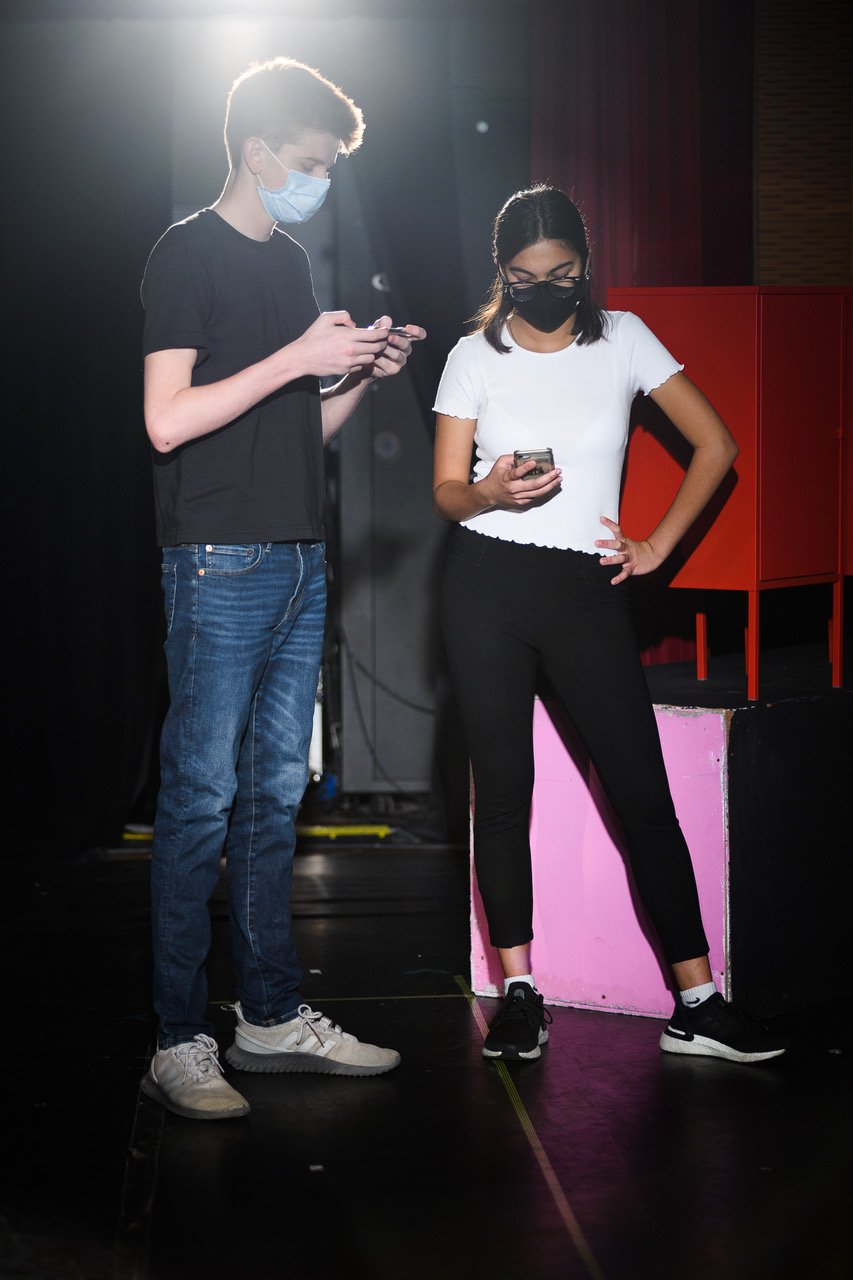
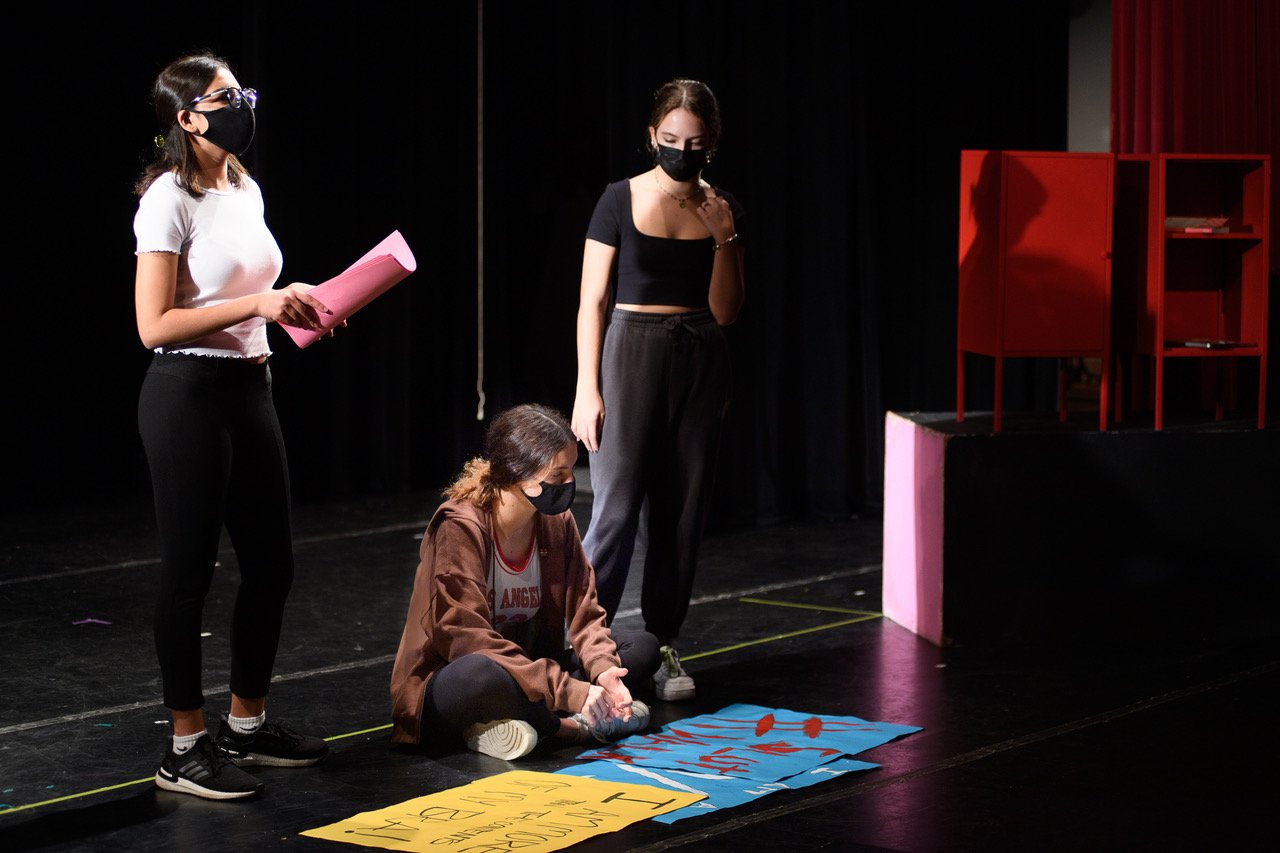
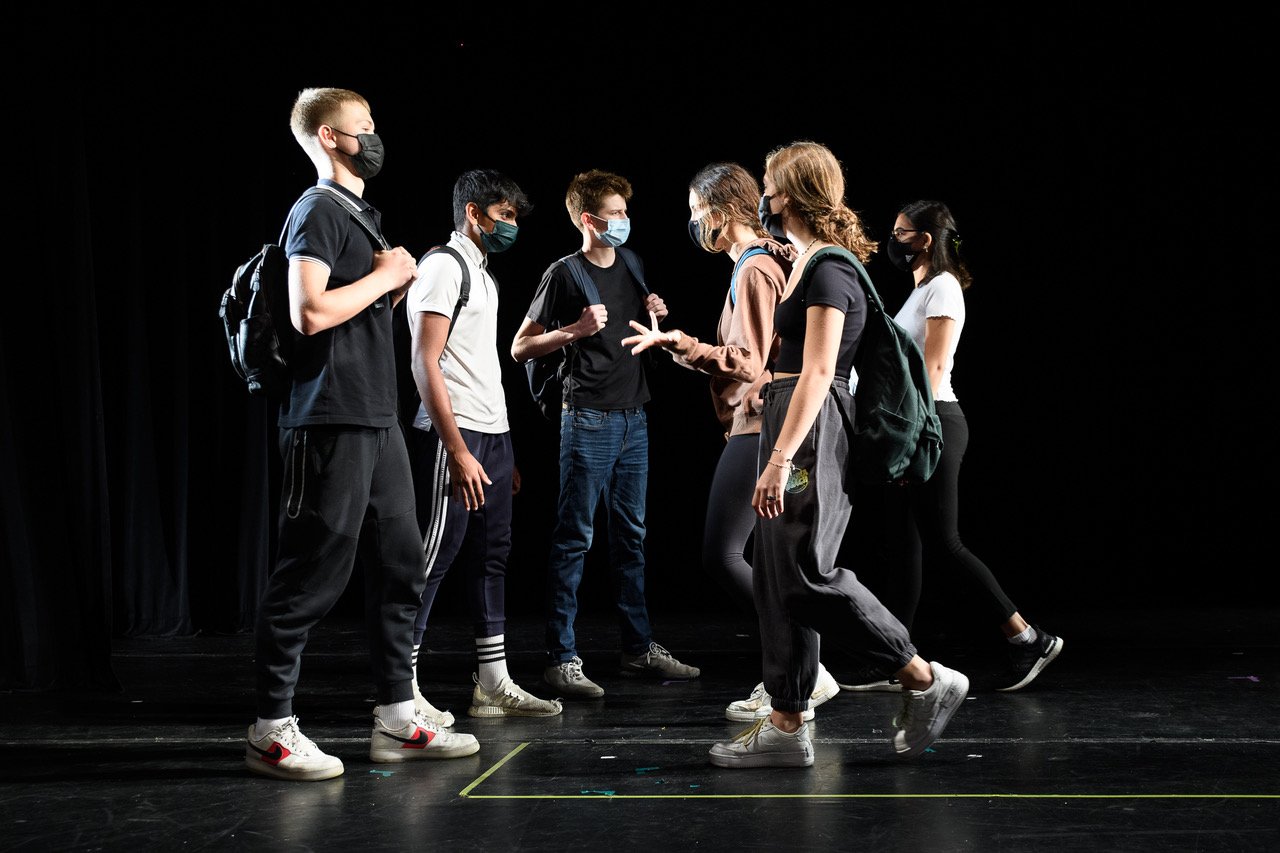
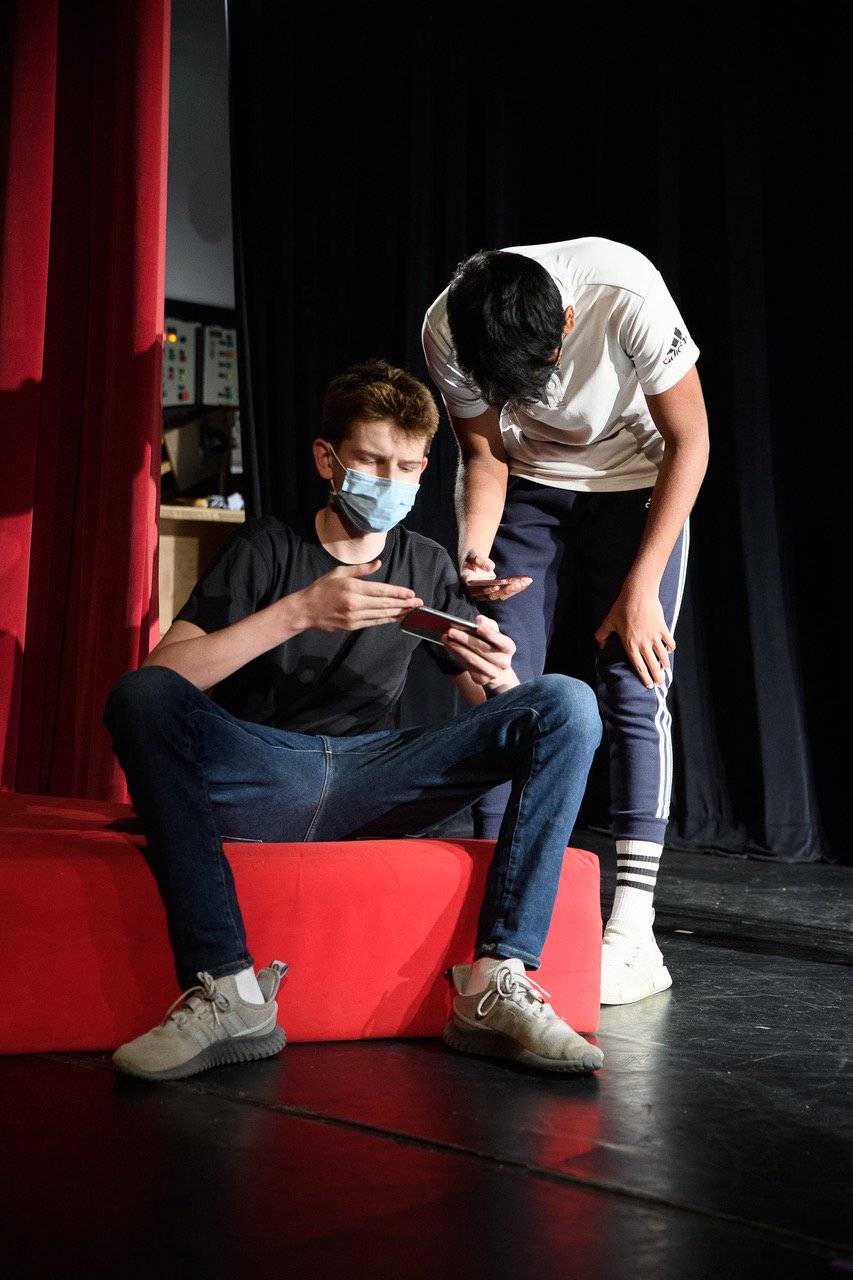
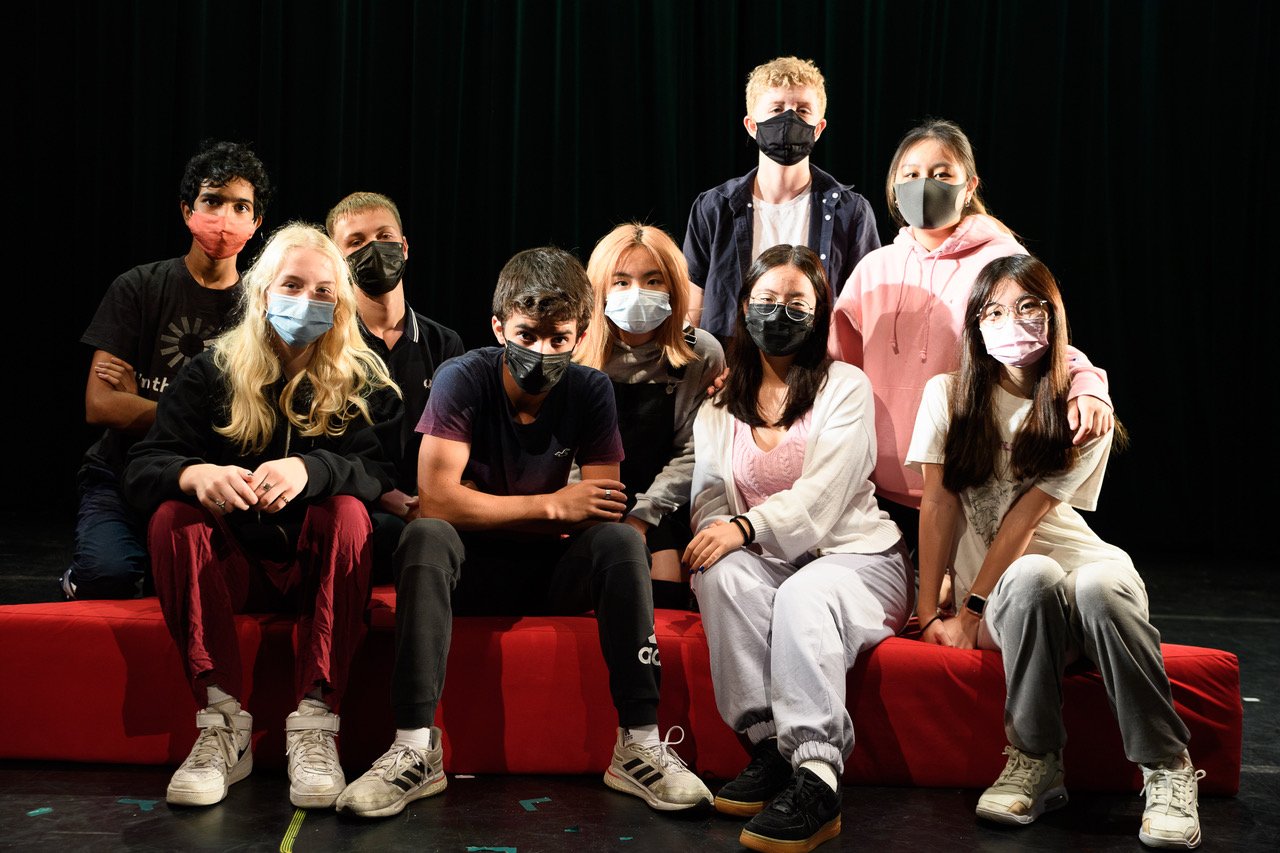
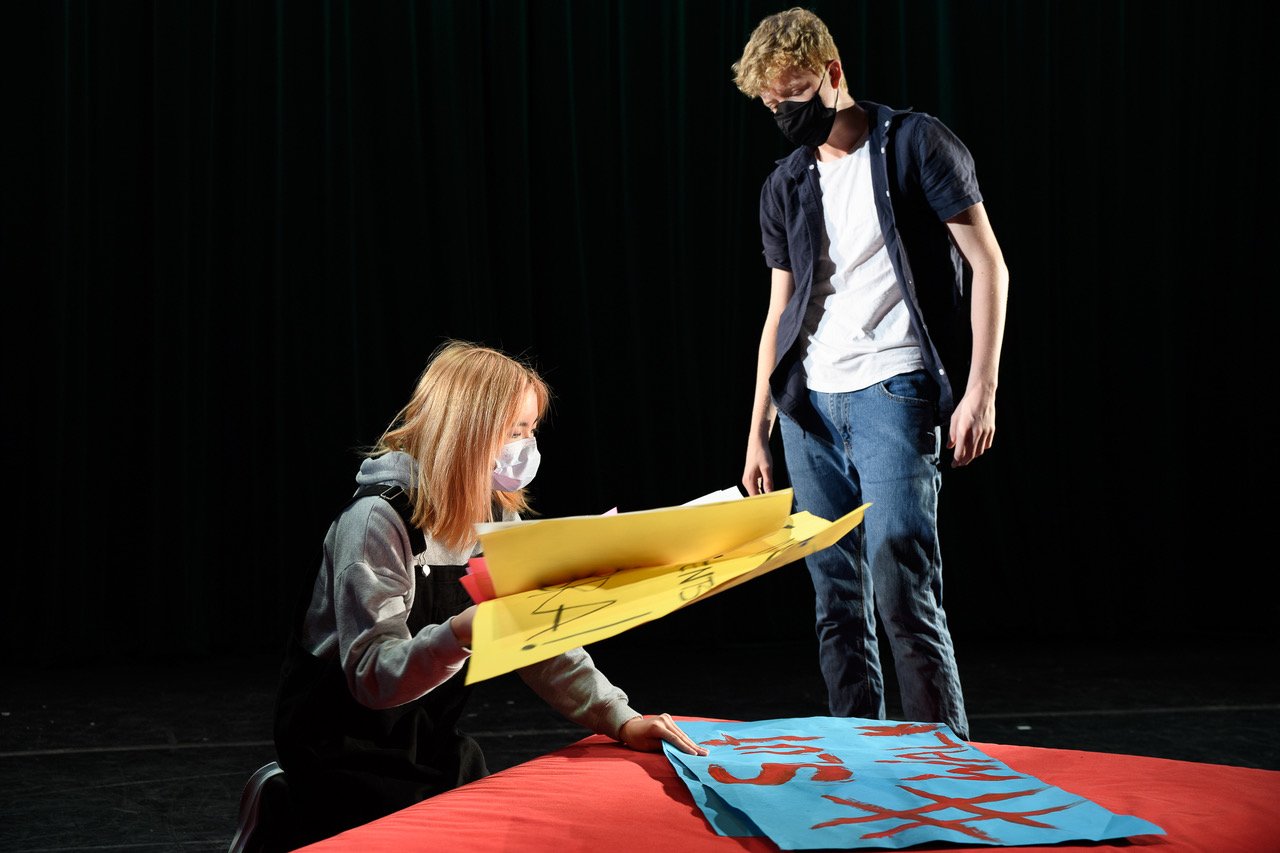
Danielle Veilleux is Head of Drama at Discovery College (DC), Hong Kong. Her Year 11 students recently produced the Play “When They Go Low” based on the book by Natalie Mitchel, about the role young men and women each play in perpetuating gender biases in schools, the demeaning language they use most casually, the objectification of women, and the accountability we all have in being a voice for others. In this article, Ms. Veilleux talks about the experience, and shared it’s impact on the student performers.
*************
In year 11 at Discovery College, students choose their Arts discipline, producing and performing a full-length published play text to a live audience. Typically students prefer comedy, and have a TV or cinematic approach to making theatre, so choosing a play is not an easy task. Personally, I am often drawn to the slightly experimental; the provocative, or the more challenging pieces, but the play needs to be pitched just right. I selected 3 pieces for them to choose from – a light–hearted comedy set in a boys’ locker room, an explorative piece on parental absenteeism, and a school-based piece on feminism – When They Go Low. After some cold readings, there was unanimous consent towards the last.
A stipulation made by Natalie Mitchell, author and playwright of When They Go Low, was that, while language could be adapted to suit gender, location and audience, any reference to ‘slut’ or ‘slut walk’ must not be changed. My students were keen to show the stresses their characters were under and explore the reasons for why events unfolded the way they did in the play, but they all identified easily with the way the rumours about ‘Sarah’ explode online, and the role Louise takes in standing up for her, despite school politics.
I asked the students to talk about the impact of the play on them, what they learned, and how they would apply the learning. They showed had fantastic insight and awareness – clearly seeing the behaviours around them that have been normalised, and how important it is to speak up for what is right, even when others remain silent.
Here are some excerpts:
Zi Ying Lee (she/her)
I think that the slut walk inspired me the most. The way guys were rating the girls sort of connected it to real life. Everyday you can hear people judging each other; people call each other things such as sluts and much more; but usually, girls have it much worse. We do get offended, and only those who have the guts will step up.
Silence is cruel to you and me and everyone else. If someone says something rude or offensive and you don’t speak up, the person receiving it may end up having low self-esteem. The person saying it may never know how much it hurts.
Hailey Kwok (she/her)
We live our day to day lives without really thinking about the things we say or the way we act. No matter how wrong or disgusting the words “whore” or “slut” sound, I can confidently say every student has used these words to describe someone. But for some reason, when girls are close to the opposite sex it’s deemed improper, but when guys are close to the opposite sex it’s supposedly “manly” or an ego boost.
being a bystander is a lot easier than speaking up, because status plays a big role in society; but together our voice is louder than the highest person on the social ladder, so I urge everyone to stand up for what is right, and slowly everyone will follow.
Ethan (he/him)
I think that no matter where you go there are double standards. I think that this topic was important to talk about in school because we need to know the problems that women go through.
Roman (he/him)
The play inspired me because it focuses a lot on equality and feminism, which are not focused on enough. I am happy that I was part of this play, and we got to cover such a topic.
Stella (she/her)
It’s sad to say but I feel like it really does represent what goes on in schools sometimes. There can be a lot of harshness seen between the students especially when it comes to the relationships between boys and girls. I really enjoyed seeing the character development, for example, in Louise. In the beginning she thought she was doing such a good thing for standing up for all girls. but then realised that she was hurting individual people instead of helping the entire group.
Ellie (she/her)
Being in the play taught me a lot about gender differences and the gender stereotypes that people have. It inspired me to try to see males and females in a more equal way.
Ryan (he/him)
One thing that inspired me was how Louise stood up for feminism and for Scott.
Anonymous… was this Joshua (he/him)? I asked and he said it was him, and he’s OK to share his name.
The thing that inspired me was when Louise stood her ground and still ran for school president. This play reflects life at school because there are double standards which mostly cause the issues reflected in the play.
Rea (she/her)
The play inspired me to stand up for what I think is right, and understand the values of feminism and general equality. I feel that it reflects well the unfair and prejudiced experiences that some people go through during high school, and the double standards between men and women, even at a young age. Being complicit is part of the ongoing double standards that continues to affect people even in this day and age.
Aleesha (she/her)
The play inspired me to think more critically about the language used in daily life and in school. It reflects the slut-shaming that many girls and women face and the fallout they experience because of it. The silence of the other students makes the victim even more alienated and alone. I was excited to play a role in shedding light on the sexism and double standards in schools, as well as the language used without thinking by many teenagers today.
Brian (he/him)
Feminism inspired me in this play because I believe in its message. This play caused me to gaze into my soul and cast a mirror upon society. It caused to me realise the inconveniences that women still experience that men don’t.
Jayson (he/him)
I was inspired by how a small group of girls in a school society rose up and started a feminist group against discrimination. It reflects on the reality.
Nicholas (he/him)
I was amazed by how easy it was to hide behind others, but I soon realized that it’s so much more helpful to actually stand up and fight for what you know is right. This show really inspired me to not only stand up for what is right, but to encourage people who doubt themselves to have a voice.
At IMTAC we believe that social change starts young, and that both girls and boys have a role to play in eliminating gender inequalities; so it was very encouraging to see how engaged the DC Year 11 students were! Thank you Danielle Veilleux and all of the students for your inspiring performance and your role in inspiring social change!