Issue 03: Health, Nutrition and You
Protein, it’s important at any age!
I’ve recently been hearing so much talk about protein! Protein shakes, bars, balls, supplements, what brand is best, where from and how much?!
I, for one, have never spared a thought about this macronutrient, until I studied nutrition. You’ve possibly discussed this in food science class or at your local fitness centre with teachers or friends, but even so, let’s cover a few facts on protein.
The first thing is that it’s an important macronutrient, equally or more important than carbohydrates and fats in your everyday diet. When the body is running low on fuel, due to unavailable carbohydrate and fats, it draws energy from muscles and this repeated action can lead to malnutrition, sadly a prominent feature with young children in underdeveloped countries and low socio-economic groups. A protein deficiency can also result in a condition called sarcopenia, or loss of muscle mass and strength, which may be due to illness or a natural consequence of ageing.
Protein gives structure and form to nails and hair (keratin) and skin (collagen), is essential for muscle health and is the body’s back up source of energy when carbohydrates and fat storage are low. Enzymes are made from amino acids, which is protein, and is needed to catalyse several metabolic activities. For example, lipase aids the digestion of fats. Can you imagine if the fats we ate were not broken down? We’d have all these pockets of fats just sitting around in our bodies making us super unhealthy. It’s important to know that some amino acids are organic and produced by our bodies, while others are essentially from our diet.
Sources of protein?
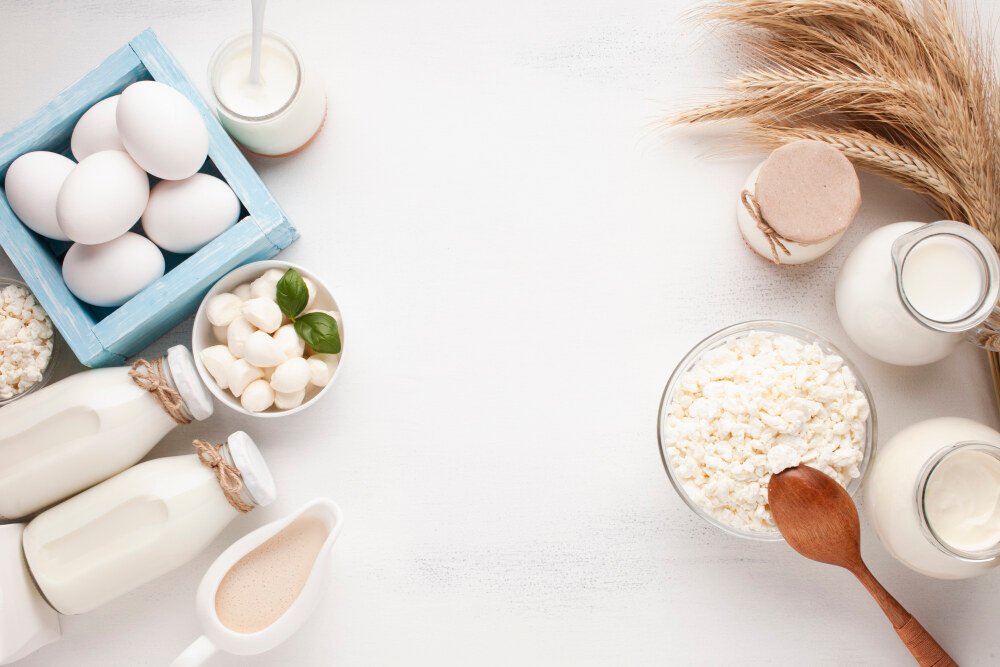
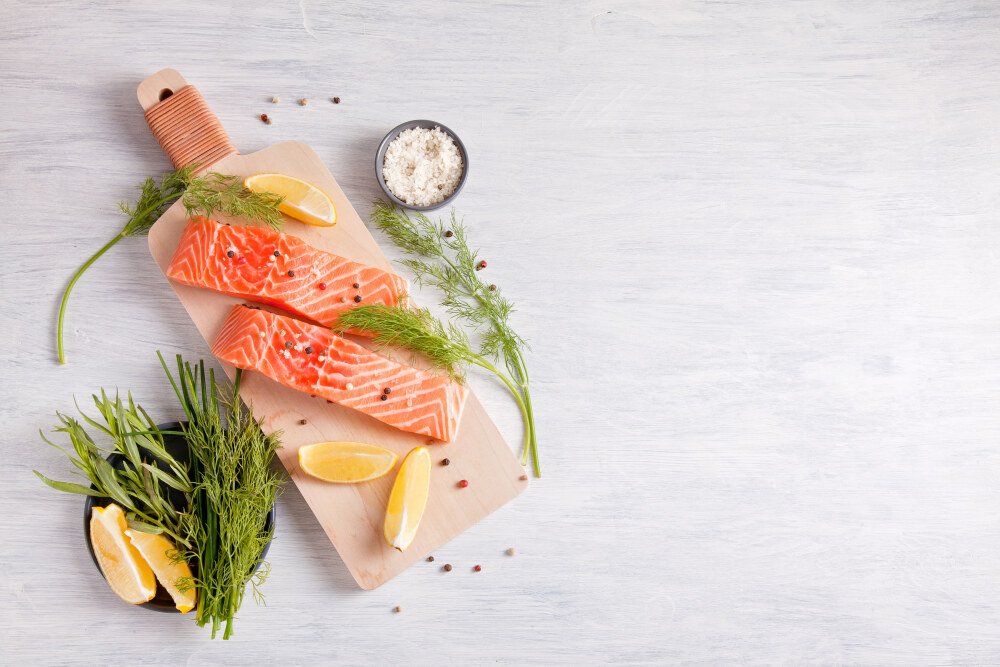
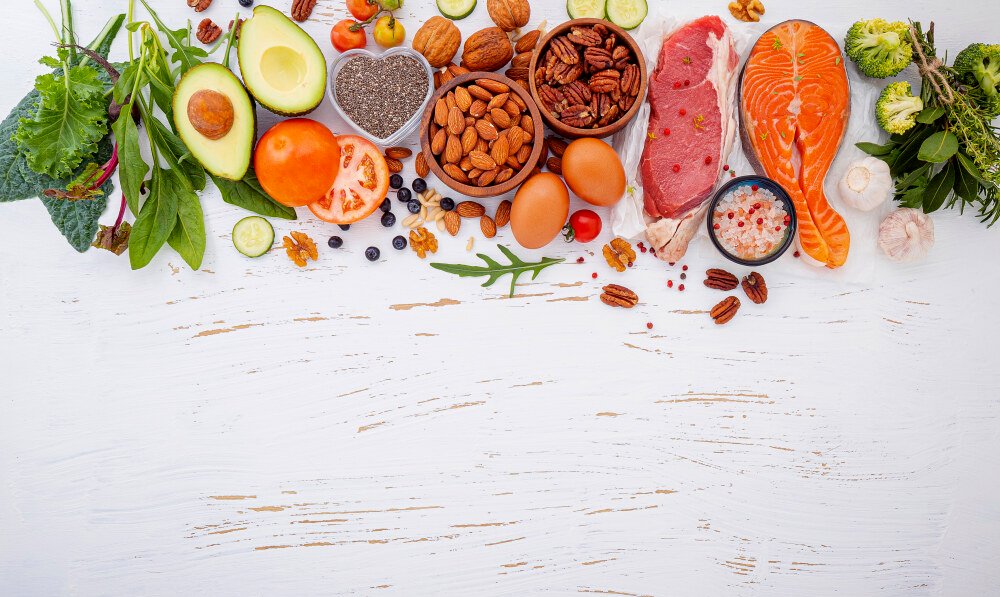
Protein can be found from animal sources, such as red meat, fish, chicken and eggs or from plant sources such as nuts, seeds and legumes (all varieties of lentils, green peas, chick peas, etc). You remember the nursery rhyme about good little Miss Muffet, “eating her curds and whey”, until the spider chased her away? Protein is made up of casein and whey, and whey is the watery layer that sits just above the casein or curd, also a bi-product in cheese making. Whey is considered an ideal source of protein because it contains 9 essential amino acids and is also low in lactose. Whey protein is the main component in protein shakes, used as supplementation to support endurance athletes and body builders, but it may also be supplemented in nutrition drinks for the elderly. There are many vegan protein options made from peas, nuts or grains available in the market, so your job is to check the ingredient list and make use of free samples offered to you before purchasing, as not all protein shakes taste that great. But our eagerness to “grab and go” protein shakes should not become a habit; real, unprocessed foods are better for our bodies (this is called “clean eating”), so prepare a meal, sit down, chew your food, and aid digestion.
How much do we need?
About 30% of your daily energy requirements must come from protein. The recommended adult dietary intake is 0.8 gram per kilo of body weight per day, but you’d require more if you exercise frequently, as you are gaining muscle.
Protein sources are comprised of both calories and protein content, and if ingredients like butter, ghee or olive oils are added, the calorie content will increase. Protein will get denatured or lose its nutrition factor with some methods of cooking, something to consider when adding lemon juice to marinate or barbecuing/char-grilling your favourite piece of meat or fish.
Protein content in some everyday foods
Eggs: 1 large egg has 6 grams of protein, 78 calories
Chicken: 1 roasted breast of chicken has 53 grams of protein, 284 calories
Quinoa: 1 cup of cooked quinoa has 8 grams of protein, 222 calories
Greek yoghurt: 1 six ounce container has 17 grams of protein, 100 calories
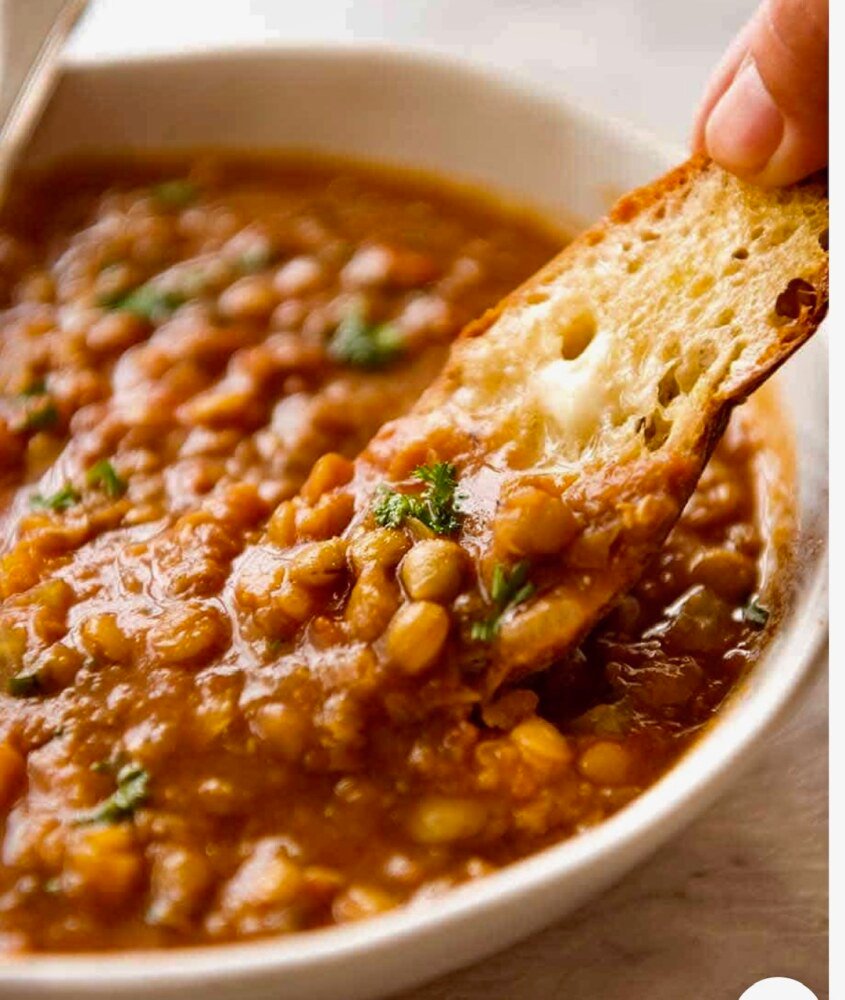
Lentils: 1 cup of cooked lentils contains 18 grams, 230 calories.
My protein rich “go to” recipe
Ingredients
1 level cup of brown and red lentils, soaked in half a litre of water overnight. Thoroughly rinse after soaking.
1 cup of bone broth, low salt chicken stock or vegetarian broth (homemade or good quality store bought)
½ litre water
1 cup of celery, carrots, zucchini, frozen peas and red capsicum (cleaned and diced)
2 cloves of garlic, few slices of fresh ginger
1 teaspoon of cumin powder & seeds,
½ teaspoon of turmeric powder
2 small red chillies
Sea Salt & freshly cracked pepper to taste
A tablespoon of Greek yoghurt, coconut yoghurt or sour cream
Fresh coriander to decorate.
Method
Sauté fresh garlic and ginger in a tablespoon of olive oil till light brown, then add red chillies, cumin and turmeric powder, stir a bit till aromas are released. Add the soaked lentils and broth plus an additional half a litre of water, cover and simmer till lentils are tender.
Add the vegetables and continue to simmer till cooked through.
Add the sea salt and fresh pepper. To serve add a tablespoon of yoghurt or sour cream and dress with fresh coriander. A cup of cooked quinoa with this dish will complete your high protein meal (approximately 28 grams of protein – half your daily need).
Another option for non-vegetarians is to make this ahead, then add a boned piece of beef or lamb (as in shanks) with a cup of tomato puree and pressure cook till meat falls off the bone. A hearty winter’s meal served with fresh crusty bread, which can be refrigerated for a few days.
If you have a protein recipe you wish to share, please forward to the IMTAC team! Till then, learn about food and why you need it. Eat right and stay active!