Issue 03: Dreams Start Young
Let’s meet our youngest interviewee in this issue, Alysha Lai, who grew up in Hong Kong, and is currently a 10th Grade student in New Hampshire, USA.
This interview was conducted by Deborah Mannas. She loves all arts and design, including theatre, visual arts, sculpture and more. Alysha designs and produces her own material and founded Project Eden (projectedenyouth.com) a sustainability blog which she started after winning a HKD5000 (USD400) seed grant, competing in the Kids4Kids 2019 AFAC project pitching competition. I interviewed Alysha to learn more about her accomplishments.
Alysha, I’ve never met someone who designed and created their own material before! It’s so inspiring and interesting!
When did you decide that you want to create and design your own material?
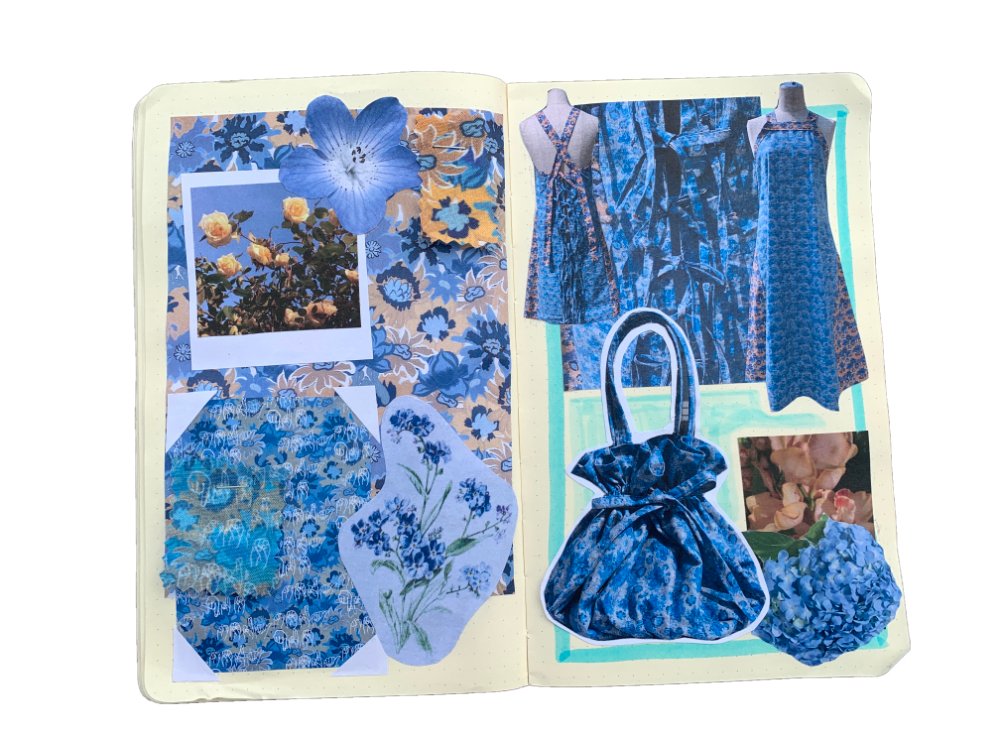
I first started designing my own material when I realised that sustainability in fashion comes from all aspects of the design, which includes the fabrics and materials used to make each garment.
I love to make prints and patterns, because they are simple and easy to quickly design. It wasn’t till I decided to make a 6 part collection, titled “unspoken”, which tackles the issue of fast fashion and body positivity in the fashion industry, that I decided to design my own material. I knew that I could communicate a message though my patterns, and wanted to make sure that the fabric was ethically sourced.
How long does it take to do each creative project?
The longest part of the process is coming up with the concept. I spend many days thinking about what kind of project I would like to start, sketching and planning all my ideas. But once I have a clear plan, the actual process of making the project come to life is fast. I get excited and enjoy seeing my ideas come to life.
I enjoy finding beauty in nature
and preserving the beauty of our natural world. I use my love for all arts, from performing art to visual arts, to visually express solutions and raise awareness about our world.
Do you actually “make” the cloth/ material?
For the most part I don’t actually make the material. I focus more on the sewing and construction aspect of garment design, and making my own fabric was something that I tried for one of my most recent collections. I do weave tapestries, using yarn I’ve collected over the years.
I design all the patterns on Adobe Illustrator, and then upload my designs onto a website called Spoonflower, which allows me to choose the fabric on which I want the designs printed, and then ships it to me. I’m concerned the harmful manufacturing processes and textile waste and generated by fast fashion. With Spoonflower, I can custom print on demand only what I need, using eco-friendly processes, and sustainable operational practices which use water-based pigment inks and dyes.
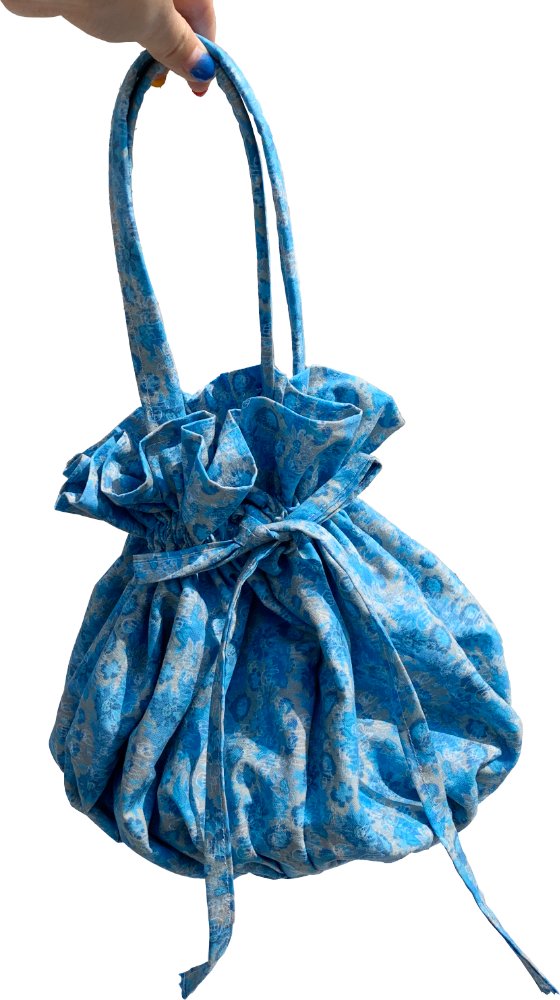
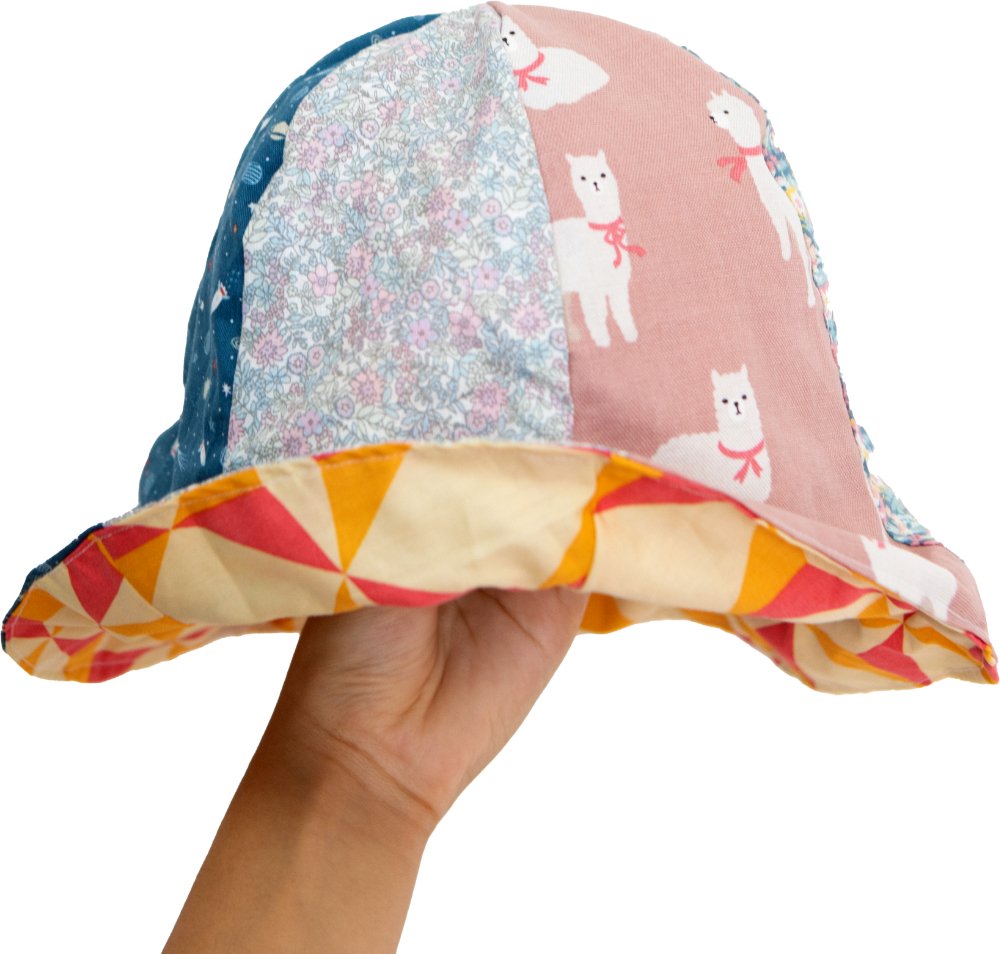
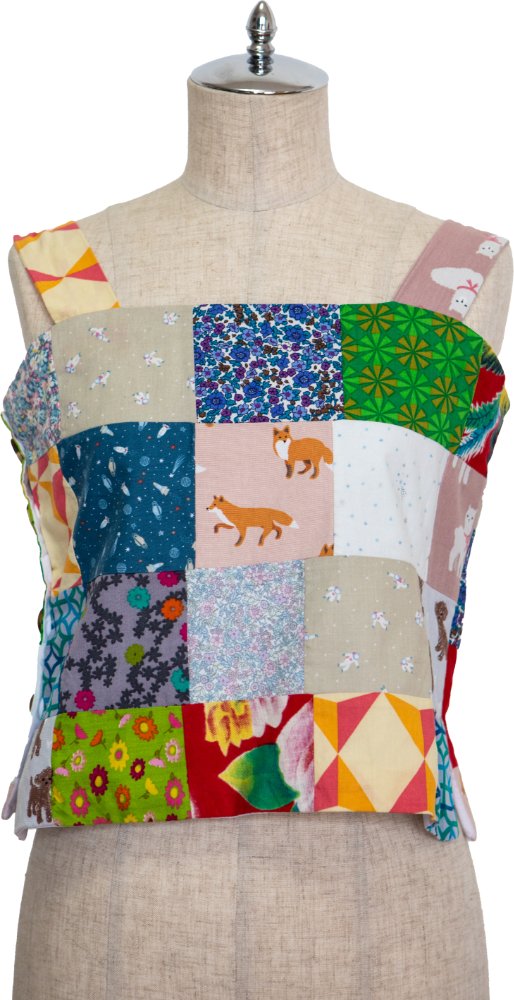
I also try to purchase, whenever possible, off-cuts and remnant pieces and then I create patchwork fabric to sew my pieces. I have also re-purposed old clothing and materials, saving scrap pieces over the years. You can see some of my work here: The Patchwork Top (https://www.alyshalai.com/fashion-collection-2018)
Do you sell your materials wholesale or do you sell direct to retail?
I currently don’t sell my materials, as they are personal and specific to the garments they are designed for. Some of the finished garments are for sale on my website, and I also make commission pieces with the leftover material.
Do you need fashion experience to make your own materials?
I think that anyone can design a pattern and print it onto their materials. After a lot of research and exploration, I found that some patterns and colors are more suited for specific fabrics and silhouettes. And, pattern and fabric manipulation can greatly change the garment, making it more flattering. There are many resources and designers who focus on pattern and fabric design, and it’s great to learn and be inspired by others.
On that note, what inspires your designs?
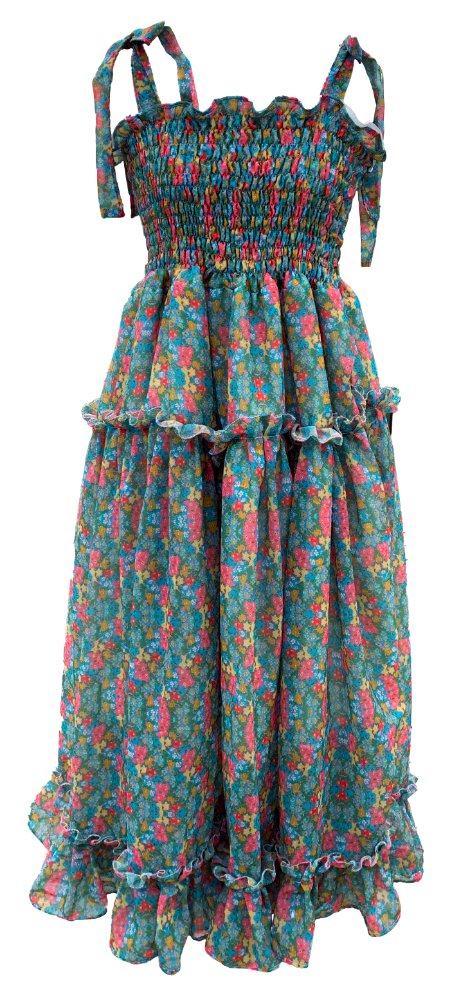
In my most recent fabric collection, I designed my own floral patterns, and used a company to help me print my patterns using eco-friendly dyes onto organic cotton, which is biodegradable. The inspiration for this specific piece was environmental sustainability, but I am greatly influenced by the issues and movements I want to raise awareness about too.
What was your best subject in school? Are you using it?
My favorite subject is science, especially biology and chemistry. I use my knowledge of environmental science to help research and understand more about environmental sustainability. I enjoy finding beauty in nature and preserving the beauty of our natural world. I use my love for all arts, from performing art to visual arts, to visually express solutions and raise awareness about our world. I believe that sustainability can be implemented into anyone’s life.
Did you battle with any learning challenges in school?
I love to learn and particularly love to work with my hands and have been involved in all aspects of art – visual arts and also performing arts with dance and theatre. But when I was young, I had a speech impediment when I first started talking, and when my mum realized it was no longer baby talk at 4 years, she took me to a speech therapist; after about one year, I was speaking without any issues; the therapist said that I was lucky to have it spotted early when it was easier to correct.
However, I always had difficulty reading and when I was around 7 years old, my school recommended a child educational psychologist to test me for dyslexia. The professional did not conclude I had dyslexia, so I silently continued my reading struggles and while I continued to do well at school, I had to work much harder than all my peers. At 15 years old, I was experiencing anxiety and my mum took me to another educational psychologist, where I was then diagnosed as dyslexic. He explained that sometimes people are better at hiding their dyslexia, as they relied on using other senses and their EQ to get by.
Can you share with our readers how you overcame your dyslexia and managed to accomplish so much?
After being diagnosed with dyslexia, I felt a heavy burden lift off me. I am also getting extra support from school and my teachers, who understand that dyslexia is not a disease or something to be ashamed of, but that it’s like someone who is short-sighted and needs to wear glasses.
For me, expression and communication doesn’t just come from reading and writing; I am passionate about visual arts and theatre, expressing myself physically and verbally with acting, and through fashion and art which came easily and naturally for me than reading and writing. I wasn’t ever ashamed of my disability. I managed to overcome my dyslexic challenges by feeding my love of learning, focusing on what I was good at, and not being afraid, too proud or ashamed to ask for help when needed. As I was used to always working twice as hard as my peers, I believe that my work habits will continue to stay with me always.
One of my fabric artwork pieces is using the American Sign Language and it reads “Do I look Ok” which is about body positivity. When you look at this fabric design, it is not immediately obvious there is a hidden meaning, just like how my dyslexia was hidden for so many years.
Now, I have even started being passionate about writing, which gave birth to Project Eden. Who would have thought someone like me with a writing disability would be able to launch a blog? So when you ask how I can accomplish so much, well, I just try to not let things be a problem for me.
Look up Alysha at alyshalai.com